If you’ve ever been around a high-performance engine or worked on a vehicle that’s seen a lot of hard miles, you know that every tiny part plays a huge role in how it runs. As someone who’s spent over a decade sourcing, testing, and supplying connecting rod bearing bushes, I’ve seen firsthand how even a seemingly small bearing issue can snowball into a catastrophic engine failure that costs a shop thousands of dollars and a customer way more than they bargained for. A lot of mechanics and even some seasoned gearheads I talk to often brush off the early signs of a bad bearing bush as normal engine noise or wear, and that’s where the problem starts. Today I want to break down the real, telltale signs of a failing connecting rod bearing bush, what causes them, and what you should do if you notice any of these red flags—plus, for the shops and engine builders out there who need reliable, precision-made bearing bushes, I’m here to help you avoid these issues before they start. Bearing Bush

First, let’s get clear on what a connecting rod bearing bush actually does, because if you don’t understand its job, you won’t recognize when it’s failing. The connecting rod sits between the piston and the crankshaft, right? The bearing bush is the thin, lined sleeve that sits between the big end of the connecting rod and the crankpin. Its whole job is to reduce friction between two moving metal parts that are under intense pressure—like 1,000+ PSI every time the piston fires in a gas engine, and even more in a diesel or modified performance engine. It’s made of a soft, durable alloy (usually aluminum, copper-lead, or tri-metal) that wears instead of the crankshaft, which is a way bigger, more expensive part to replace. So when that bearing bush starts going bad, it’s not just the bush itself that’s at risk—it’s the crank, the connecting rod, the pistons, and the whole engine. That’s why catching the signs early is non-negotiable.
The first and most obvious sign is engine noise, but not just any noise—this is a distinct, rhythmic knocking sound that gets louder as you accelerate or under load. A lot of people mix this up with rod knock, and that’s exactly what a bad bearing bush causes. Here’s what it sounds like: low, deep, and regular, like a hammer tapping a metal block in time with the engine’s firing order. You’ll notice it most when the engine is warm, because as metal expands, a worn bearing has more clearance, so the knock gets louder. When it’s cold, the metal is tighter, so the noise might be quieter or not present at all. I’ve had customers bring me engines thinking they just had a loose lifter or a worn timing chain, only to pull the pan and find the #3 connecting rod bearing bush is worn down to the base metal. The key difference here is that rod knock from a bad bearing is load-dependent—if you put the engine under stress (like climbing a hill or towing a heavy load), the noise gets way worse, whereas other noises might be consistent regardless of load.
Another early sign is oil pressure drops, especially at idle. The bearing bush rides on a film of engine oil, right? That film is what separates the bush from the crankpin, and if the bearing wears out, the clearance between the two gets too big. When that happens, oil can’t build up the pressure it needs to lubricate the rest of the engine. You’ll see this on your oil pressure gauge: at highway speeds, pressure might be normal (25-65 PSI is standard for most gas engines), but when you come to a stop at a light, idle drops below 15 PSI, or even flickers on the low oil pressure warning light. A lot of mechanics mistake this for a bad oil pump or a clogged oil filter, but if you check the bearing clearances (with plastigauge, which is a simple, cheap tool) and find they’re way above the manufacturer’s spec, that’s a dead giveaway that the bearing bush is the culprit. I always tell the engine builders I work with to check oil pressure first if they hear knock, because a sudden drop in pressure is often the first warning before the bearing seizes up and causes total engine lock.
Next, there’s the telltale debris in the oil. When a bearing bush starts failing, the soft alloy lining wears off and small metal particles get scraped off into the engine oil. This is something you can check yourself with a simple oil analysis or even a quick oil dipstick check. If you pull the dipstick and the oil has a metallic, shiny sheen (it won’t be the dark, gritty sludge from normal wear—this is fine, shiny metal shavings), that’s the bearing bush lining breaking down. Or if you take an oil sample to a lab, they’ll flag high levels of copper or lead (depending on the bearing alloy) which are a clear sign of bearing wear. I once worked with a performance shop that was doing a full rebuild on a 5.7L Hemi, and they were shocked when their oil analysis came back with excess lead. Turns out the old bearing bush they had sourced from a cheap supplier had a faulty lining that started coming apart after only 10 hours of test runs. That’s why using a high-quality bearing bush from a reputable supplier like me isn’t just about avoiding failure—it’s about catching these signs before they turn into something way more expensive.
As the bearing bush gets worse, you’ll start to notice engine performance issues, especially power loss and rough idling. Because the worn bearing creates too much clearance, the connecting rod wobbles a little instead of moving smoothly with the crankshaft. That means the piston doesn’t fire evenly, so the engine runs rough, misfires, and has less power. If you have a modern car with OBD-II, you might even get misfire codes popping up on your scanner, which can be confusing until you dig deeper. I had a customer come to me last year with a 2018 F-150 that had a check engine light on for misfires in cylinder 4. They replaced the spark plugs, ignition coils, and even the fuel injector, but the misfire kept coming back. When we pulled the oil pan, we found that the connecting rod bearing for cylinder 4 was 0.012 inches over the factory spec, so much clearance that the piston was moving out of alignment and not firing properly. That’s the kind of issue that wastes time and money if you don’t connect the dots between performance problems and bearing wear.
In the late stages of bearing failure, you’ll hear a high-pitched squealing or grinding noise, and that’s when the bearing is seizing up or the crankshaft is starting to get damaged from metal-on-metal contact. At this point, it’s almost too late—you’ve already done major damage to the crankpin, which means you can’t just replace the bearing bush; you have to hone or replace the crankshaft, which adds hundreds of dollars to repair costs. I’ve seen engines where a cheap, poorly made bearing bush wore through in less than 10,000 miles, and the crankshaft had to be replaced because it was scored so badly from the exposed metal. That’s why paying attention to the early signs isn’t just preventive—it’s cost-effective.
Now, why do bearing bushes go bad in the first place? A lot of people think it’s just age, but most failures are avoidable. Common causes include insufficient lubrication (from low oil, clogged filters, or wrong oil viscosity), overloading the engine (towing more than it’s rated for, modified engines running higher boost than they’re set up for), improper installation (like not torquing connecting rod bolts to spec, or using old, worn bolts), and of course, using low-quality bearing bushes with inferior lining material or poor precision machining. As a bearing bush supplier, I test every batch of my products for clearance accuracy, lining hardness, and load capacity to make sure they can handle even the most demanding applications, from daily drivers to race engines. That’s a big part of why I care so much about helping people recognize the signs of a bad bearing bush—because I know that using the right part paired with early detection can save someone from a total engine failure.
So what should you do if you notice any of these signs? The first step is to do a quick check: pull the oil dipstick and look for shiny metal shavings, monitor your oil pressure over a few drive cycles, and listen for that rhythmic knock under load. If you suspect a bad bearing bush, don’t ignore it—driving the vehicle will only make the wear worse, and you’ll end up paying for a new engine instead of a $50 bearing bush. The next step is to have a trusted mechanic pull the oil pan and inspect the bearings, or use plastigauge to measure the clearance. If the clearance is outside the manufacturer’s spec, replace the bearing bush immediately, and inspect the crankshaft for scoring or damage while you’re at it.
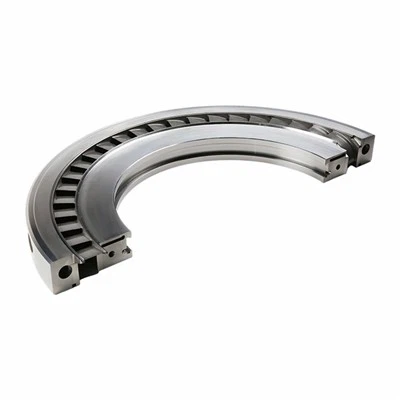
For the engine builders, repair shops, and fleet managers reading this, I know how important it is to have reliable parts that you can count on, especially when you’re working on customer vehicles or performance builds. I’ve spent years refining my bearing bushes to meet strict industry standards, with precision machining that ensures consistent clearance, durable lining that resists wear, and testing that catches defects before they reach my customers. I don’t cut corners on materials or quality, because I’ve seen what happens when shops use cheap, untested bearings—they get burned, and so do their customers. If you’re dealing with recurring bearing issues, or if you’re sourcing bearing bushes for your next project and want something you can trust, reach out to me to talk through your needs. Whether you need standard replacement parts, custom-sized bushes for modified engines, or bulk orders for a shop or fleet, I can help you find the right solution to keep your engines running strong for thousands of miles.
Turbine Fasteners References:
- Society of Automotive Engineers (SAE), “Automotive Bearings: Design, Testing, and Application”, SAE International, 2019.
- Automotive Parts Rebuilders Association (APRA), “Connecting Rod Bearing Failure Analysis Guide”, APRA, 2021.
- Internal Combustion Engine Division, “Bearings for High-Performance and Industrial Engines”, Society of Tribologists and Lubrication Engineers (STLE), 2020.
Hebei Guoyuan Electric Co., Ltd.
With abundant experience, we are one of the most professional bearing bush manufacturers in China. We warmly welcome you to buy discount bearing bush for sale here and get pricelist from our factory. Quality products and low price are available.
Address: No.18 Tianshan Science and Technology Industrial Park, No.319 Xiangjiang Road, Shijiazhuang High-tech Zone, Hebei Province, China
E-mail: turbine@goineep.com
WebSite: https://www.goineep.com/
