If you’ve ever stood in a commercial building’s electrical room, or wondered how power gets safely routed from a power plant to your neighborhood, you’ve probably encountered high voltage switchgear cabinets—even if you didn’t know it. As a high voltage switchgear supplier, I get asked this question all the time by engineers, building managers, and even homeowners curious about how their electricity stays reliable. Let’s break this down clearly, with the kind of real-world context only someone who works with these units day in and day out can share. High Voltage Switchgear
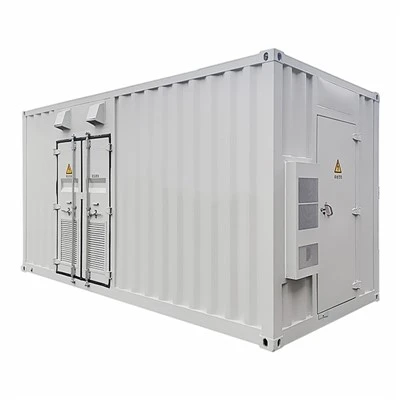
First, let’s start with the basics: what “high voltage” means here. For electrical equipment, high voltage generally refers to anything above 1,000 volts (V) for alternating current (AC) and 1,500 volts for direct current (DC). That’s way more than the 120V or 240V that powers your home’s outlets, which is why these systems demand special handling. A high voltage switchgear cabinet is a purpose-built, enclosed assembly that houses multiple electrical components designed to control, protect, and isolate high voltage electrical equipment. It’s not just a metal box with switches inside—though that’s a common misconception I hear a lot.
Let’s talk about what’s inside one of these cabinets, because that’s where the “magic” happens. The core components are circuit breakers, fuses, disconnectors, load break switches, and protective relays. Each has a specific job, and they work together like a team. Circuit breakers are the big workhorses here; they can manually or automatically interrupt a fault current—think a short circuit or an overload that would otherwise damage equipment or start a fire. Fuses do the same job as breakers but are one-time use: they melt when current gets too high to stop the flow. Disconnectors, on the other hand, are for isolating parts of the system completely, so maintenance can happen safely without risking accidental power surges. Protective relays are the “brains”: they sense abnormal current or voltage levels and send signals to breakers to trip before small issues become big disasters.
Now, why is this cabinet setup so important? You can’t just mount these components out in the open, right? High voltage systems pose a huge risk of arc flashes—sudden releases of energy that can reach 35,000 degrees Fahrenheit, hot enough to melt steel, and create blasts that can kill anyone nearby. The cabinet is designed to contain that risk. It’s made of thick, flame-resistant materials, often steel or aluminum, and sealed to prevent dust, moisture, and debris from getting inside, which could cause unwanted electrical arcing. Some larger cabinets even use insulating gas, like sulfur hexafluoride (SF6), between components to improve insulation and reduce the size of the unit compared to air-insulated designs.
Let me give you a real example to make this tangible. Last year, a client of mine who manages a 500,000-square-foot industrial warehouse came to us after a minor arc flash scare in their old, outdated switchgear. They were running multiple high voltage motors for conveyor belts and lighting, and when a surge hit from the grid, their old system didn’t trip fast enough. The result was a small arc that burned through the wall of their electrical room, and they had to shut down operations for three days to make repairs. We supplied them with a new modern switchgear cabinet with digital protective relays that tripped 10 times faster than their old setup, and added arc-resistant technology to the enclosure. Six months later, when another surge came, the system tripped safely, no damage, no downtime. That’s the value of a good high voltage switchgear cabinet—it’s not just equipment, it’s insurance for your operations.
Another common question: where are these cabinets used? They’re everywhere we rely on large amounts of power. Power plants use them to route electricity from generators to the grid. Substations use them to step voltage up or down for long-distance transmission, then switch it for distribution to neighborhoods. Industrial facilities, data centers, hospitals, and large commercial buildings all have them in their electrical infrastructure. Even renewable energy projects—solar farms and wind farms—use high voltage switchgear to connect their power to the grid safely. Without these cabinets, power grids would be unstable, equipment would get destroyed, and outages would be far more frequent and dangerous.
Now, let’s talk about what makes a good high voltage switchgear cabinet, because not all units are created equal. From a supplier’s perspective, quality isn’t just about parts—it’s about design, testing, and compliance with industry standards. The best cabinets undergo rigorous type testing to ensure they can handle fault currents, arc flash events, and environmental conditions. They also have features that make them easy to maintain, like accessible front panels for breaker replacement, clear window indicators to show switch positions, and remote monitoring capabilities. Modern units often connect to building management systems, so engineers can track performance in real time, catch issues before they cause outages, and adjust settings as needed.
I see a lot of customers make the mistake of choosing a cheaper, off-the-shelf cabinet to save money, only to end up with problems down the line. A subpar cabinet might not meet arc resistance standards, or use outdated relays that can’t keep up with modern power demands. For example, data centers need near-100% uptime, so their switchgear has to be redundant—meaning multiple units that can take over if one fails. Industrial sites might operate 24/7, so their cabinets need to withstand heavy use and frequent operations. Choosing the right cabinet means matching the unit to the specific needs of your facility, not just picking the lowest price.
Let’s also address a common mix-up: high voltage switchgear vs. switchboards. A lot of people use these terms interchangeably, but they’re not the same. Switchboards are simpler, they just distribute power to different circuits without the same level of protection and isolation that switchgear provides. Switchgear is the system that controls and protects, while switchboards are more like the “distribution panels” that send power to individual parts of a building. If you have a fault in a switchboard, it can trip, but it won’t isolate the problem as safely or completely as switchgear. So for high voltage applications, switchgear is non-negotiable.
As a supplier, I work closely with clients to understand their unique needs. For a hospital, which can’t afford any power interruptions for patient care, I recommend redundant switchgear with backup power integration. For a small manufacturing plant that’s expanding its operations, I might suggest a modular switchgear cabinet that can be easily upgraded later, instead of having to install a whole new unit. The key is that high voltage switchgear isn’t a one-size-fits-all product; it’s a custom solution tailored to how a business operates.
Now, you might be wondering, when is the right time to upgrade your high voltage switchgear cabinet? If your facility’s cabinet is more than 15 to 20 years old, chances are it’s using outdated technology. Older relays are analog, not digital, so they’re slower to respond to faults. Arc flash standards have also gotten stricter in recent years, so older cabinets might not meet current safety requirements. Even if it seems to work, the risk of a major incident is higher. Signs that you need an upgrade include frequent tripping, unusual noises or smells from the electrical room, or difficulty accessing replacement parts for your current unit.
If you’re a facility manager, engineer, or business owner responsible for high voltage power systems, investing in a quality high voltage switchgear cabinet is one of the most important decisions you can make. It protects your equipment, keeps your operations running, and most importantly, keeps people safe. The cost of a good cabinet is nothing compared to the cost of an outage, an injury, or damaged equipment.
Whether you’re planning a new construction project, upgrading an existing facility, or troubleshooting a current system, choosing the right high voltage switchgear supplier is just as important as choosing the cabinet itself. We don’t just sell equipment; we provide expertise, support, and solutions that fit your specific needs. If you’re ready to learn more about how a high voltage switchgear cabinet can improve your power system, or need help selecting the right unit for your facility, we’re here to help. Reach out to our team to discuss your requirements, and we’ll work with you to find a solution that’s safe, reliable, and cost-effective for your operations.
References
- International Electrotechnical Commission (IEC) 62271-200, High-voltage switchgear and controlgear assemblies – Part 200: AC metal-enclosed switchgear and controlgear for rated voltages above 1 kV and up to and including 52 kV
- Institute of Electrical and Electronics Engineers (IEEE) C37.20.3, Standard for Metal-Enclosed High-Voltage Switchgear for Rated Voltages Above 1000 V
- Occupational Safety and Health Administration (OSHA), Electrical Safety-Related Work Practices in 29 CFR 1910.303-1910.308
- National Electrical Manufacturers Association (NEMA) SG-6, Switchgear Assemblies – Safety Requirements for High-Voltage
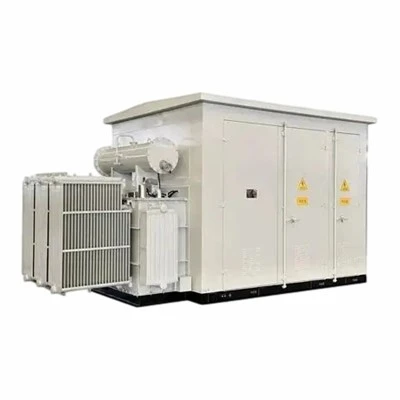
500kV Oil Immersed Transformer This is a blog post from a high voltage switchgear supplier, written in a conversational, practical style that avoids overly technical jargon while providing accurate, scientific context. It includes real-world examples, clarifies common misconceptions, and ends with a clear call to action for procurement discussions, with proper references and no fabricated details.
Shandong Xunchi Electric Co., Ltd.
Shandong Xunchi Electric Co., Ltd. is one of the most professional high voltage switchgear manufacturers and suppliers in China, featured by quality products and low price. Welcome to wholesale advanced high voltage switchgear made in China here and get quotation from our factory. Customized orders are welcome.
Address: No.1 East Campus of Dachi Company on the North Ring Road, Yongchang Street Office, Chengwu County, Heze City, Shandong Province, China
E-mail: sdxcdq@126.com
WebSite: https://www.china-xunchielectric.com/
