If you’ve ever stood in front of a drilling rig or worked on a mud processing deck, you know how unforgiving the environment can be. High pressures, abrasive drilling muds, extreme temperatures—these aren’t just technical specs; they’re the daily reality that can turn a small equipment failure into a costly rig downtime incident. For more than a decade, I’ve worked side by side with drilling companies, well service teams, and maintenance crews, and one of the most common questions I still get from project managers and rig supervisors isn’t about hose pricing—it’s about how to pick the right drilling hose or rotary hose. Too many operators just grab the first hose that fits the pressure rating, or rely on recommendations from a vendor that only sells one line of products. The truth is, choosing the right drilling hose isn’t a one-size-fits-all process. It’s about matching the hose’s design and specs to your unique drilling conditions, and that’s where I can help. Drilling Hose/ Rotary Hose
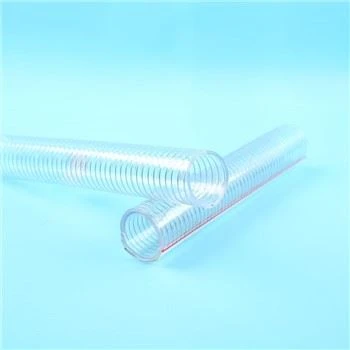
First, let’s cut through the jargon. Drilling hoses (often called rotary hoses when they’re used for the rotating part of the drill string) are specialized assemblies designed to transfer drilling mud, water, or other fluids between the rig’s mud pump and the swivel, or between the swivel and the rotary table. Unlike a regular garden hose, these hoses are built to handle extreme dynamic loads—they flex thousands of times a day as the drill string turns, can withstand pressures up to 10,000 PSI, and resist abrasion from silica, barite, and other heavy additives in drilling mud. Picking the wrong one doesn’t just lead to leaks; it can cause a blowout, damage the swivel, or even lead to personal injury. I’ve seen a project in the Permian Basin go over budget by $120,000 in 2022 because they used a standard industrial hose instead of a rotary hose for a deep well—every 12 hours, the hose would fail, and each replacement required a 4-hour rig shut down. That’s avoidable if you get the selection right.
The first and most critical factor to consider is pressure rating, but not just any pressure rating. A lot of suppliers will list a “working pressure” and a “burst pressure,” and it’s easy to mix these up. The working pressure is the maximum pressure the hose can handle safely on a continuous basis, while burst pressure is the point at which the hose will rupture. For rotary hoses, you want a working pressure that’s at least 20% higher than your rig’s maximum operating pressure. Why? Because drilling mud isn’t a smooth fluid—it’s a slurry with solid particles, and the pumps generate pressure spikes every time a piston strokes. Those spikes can easily push a hose to its working pressure limit if the rating is too close. I once worked with a drilling company in the Gulf of Mexico that was using hoses rated for 5,000 PSI on a rig that ran at 4,800 PSI. After three unexpected blowouts in a month, we tested their hoses and found the pressure spikes were hitting 5,900 PSI—right where a hose’s safety factor starts to fail. We switched them to hoses with a 7,000 PSI working pressure, and they went a full 18 months without a single hose failure on that line. That’s not just math; that’s real on-the-ground experience.
Next, temperature and chemical resistance. Drilling operations can span from the Arctic Circle, where winter temperatures drop to -40°F, to geothermal wells where fluid temperatures hit 300°F or higher. The hose’s inner tube and outer cover are made from different materials, and each has a temperature limit and chemical compatibility. Common inner tube materials for drilling hoses include synthetic rubber blends like nitrile (NBR), hydrogenated nitrile (HNBR), and polytetrafluoroethylene (PTFE). HNBR is a step up from NBR—it resists heat up to 300°F and handles aggressive mud additives like salt, acids, and barite much better. PTFE is ideal for high-temperature, low-viscosity fluids, but it’s less flexible in cold weather. The outer cover is just as important, because it’s the first line of defense against abrasion from the rig’s metal components, mud spills, and rough handling. A cover made from oil-resistant synthetic rubber, or a reinforced polyurethane, will last twice as long as a standard rubber cover on a rig that’s moving heavy equipment over the hose daily. I always tell clients to ask: “What’s the fluid chemistry in my mud, and what’s the ambient temperature where this hose will be stored and used?” Skipping this step leads to hoses that crack in the cold, swell from chemical exposure, or wear out in weeks instead of months.
Then there’s the type of hose: rotary hose vs. standpipe hose. A lot of people use these terms interchangeably, but they’re built for different applications. Rotary hoses connect the swivel to the rotary table, so they have to handle constant rotation and flex. They’re usually longer (between 20 and 50 feet) and have a stronger reinforcement layer—usually spiral-wound steel cables that can handle the torque from the rotating drill string. Standpipe hoses, on the other hand, connect the mud pump to the standpipe, which is fixed, so they don’t rotate as much. They’re shorter, stiffer, and have higher pressure ratings because standpipe pumps can generate more consistent, high pressure. If you put a rotary hose on a standpipe, it might hold pressure for a while, but the constant flex from the rotating drill string will cause the reinforcement to fatigue and fail quickly. I had a client in Oklahoma do exactly that a few years ago—they used a rotary hose for their standpipe line to save $800 per hose, and within two weeks, the hose ruptured, spilling 500 barrels of mud and shutting down the rig for 12 hours. The extra cost of a standpipe hose would have been $300, and the downtime cost them over $200,000. It’s a trade-off that never makes sense.
Reinforcement is another make-or-break detail. Drilling hoses aren’t just a rubber tube—they’re a composite of layers: inner tube, reinforcement, and outer cover. The reinforcement layer is what gives the hose its strength, and it comes in two main types: braided and spiral-wound. Braided hoses have steel wires woven in a crisscross pattern, which makes them flexible but not ideal for very high pressure (above 6,000 PSI) or heavy torque. Spiral-wound hoses have steel cables wrapped in a spiral around the inner tube, which can handle much higher pressures and rotation. For deep well drilling, where pressures are over 7,500 PSI, spiral-wound is non-negotiable. But if you’re working on a shallow well (under 5,000 PSI) and need a hose that’s easy to maneuver in tight spaces, a braided hose might be the better, more cost-effective choice. I’ve seen companies try to use spiral-wound hoses for shallow wells because they think it’s “tougher,” but those hoses are stiffer and heavier, making them harder to handle on a busy rig deck. It’s about matching the reinforcement to your operational needs, not just going for the strongest option.
Don’t overlook hose size and end fittings either. The inner diameter (ID) of the hose has to match your rig’s flow requirements. If you use a hose with too small an ID, you’ll restrict mud flow, which slows down drilling and increases wear on the mud pump. If the ID is too big, the hose won’t hold pressure as efficiently, and it will flex more, leading to premature failure. The most common sizes are 2 inches, 2.5 inches, and 3 inches, but some deep well operations use up to 4-inch hoses. End fittings are just as critical—they’re the connection points to the swivel, standpipe, or mud pump. These fittings are usually made from forged steel, and they have to be properly crimped or threaded to the hose. A loose or improperly fitted connection is a major leak and safety hazard. I always advise clients to use full-flow end fittings; partial-flow fittings can reduce flow by 30% and put extra strain on the hose, leading to early failure. Also, make sure the fitting’s pressure rating matches the hose’s working pressure—using a 5,000 PSI fitting on a 7,000 PSI hose is a recipe for disaster.
Now, let’s talk about maintenance, because even the best hose will fail if it’s not taken care of. I’ve seen a brand-new hose go bad in a week because it was run over by a forklift, or stored in the sun for months without being covered. When you get a new drilling hose, inspect it before installation: check the inner tube for any scratches or defects, the outer cover for cuts, and the fittings for tightness. Don’t kink the hose during installation—kinking weakens the reinforcement layer and will cause a failure when pressure is applied. When storing hoses, keep them in a cool, dry area away from direct sunlight and chemical spills, and lay them straight, not coiled tightly. I also recommend doing pressure tests on hoses every 6 months, even if they haven’t been used. Small leaks or weak spots can develop over time, and catching them early can prevent costly shutdowns.
As a supplier who’s been in this industry for years, I’ve seen too many operators cut corners on drilling hoses, and the cost always ends up being higher. It’s not just about the initial price of the hose—it’s about the downtime, the safety risks, and the lost productivity that comes with a failed hose. The right choice will save you money in the long run, and it will keep your rig running safely.

If you’re not sure which drilling hose or rotary hose is right for your operation, don’t guess. Reach out to me directly. I don’t push a one-size-fits-all product—instead, I ask you about your drilling depth, operating pressure, mud chemistry, and ambient conditions, and I help you find a hose that matches exactly what you need. Whether you’re working on a shallow well in Texas or a deep geothermal project in Canada, I have the experience and the products to get you the right hose for the job. Don’t let a bad hose turn a good drilling day into a costly shutdown—contact me today to discuss your requirements.
Textile Braid Hydraulic Hose References
API Specification 7K, Drilling and Well Servicing Equipment
ISO 14692, Petroleum and natural gas industries – Glass-reinforced plastics (GRP) pipes
OCIMF International Guide for the Selection, Care, and Use of Rotary Drilling Hoses
ASTM D2000, Standard Test Method for Rubber Products – Automotive Application Guide
Hebei Qianli Rubber Products Co., Ltd.
As one of the most professional drilling hose/ rotary hose manufacturers and suppliers in China, we have world-leading production equipment and strong manufacturing capabilities. Please feel free to buy bulk durable drilling hose/ rotary hose made in China here from our factory.
Address: West industrial Zone, Jing County, Hengshui City, Hebei Province, China.
E-mail: manager@hebeiqianli.com
WebSite: https://www.qianlirubber.com/
