If you’ve ever spent time designing, installing, or maintaining DC energy measurement systems—whether for solar arrays, electric vehicle (EV) charging stations, off-grid battery storage, or industrial motor drives—you know how critical it is to collect accurate, consistent power data over time. A DC energy meter only gets you halfway there; you need a reliable data logger to capture, store, and transmit that data so you can analyze performance, troubleshoot issues, or optimize energy use. As a DC energy meter supplier, I’ve seen dozens of customers waste time and money picking loggers that don’t align with their needs, so I’m breaking down what makes a data logger the best fit for DC energy meters, and what to look for to avoid common pitfalls. DC Energy Meter

First, let’s ground this in a basic truth: not all data loggers are created equal for DC systems. AC data loggers work with alternating current, but DC has unique properties—variable voltage, low current, and harsh environmental conditions in many use cases—so your logger has to be built specifically to handle that. I’ve had customers come to me with an off-the-shelf logger from a general electronics store, only to find it couldn’t withstand the 600V DC output of a residential solar array, or it lost data during a cloud outage when they needed real-time readings for a commercial EV fleet. That’s the first mistake to avoid: using an AC logger or a generic model for DC energy applications.
The core of the best data logger for DC energy meters is compatibility with your meter’s output and DC parameters. Let’s break that down. First, voltage and current rating. If your DC energy meter is rated for 1000V DC (standard for large solar farms or heavy EV infrastructure), your logger needs to have an input range that matches, or at least support a direct connection to the meter’s pulse or analog outputs without needing extra, error-prone converters. Pulse outputs are super common for low-cost DC meters, but they’re not all the same—some meters send a pulse per 1Wh, others per 0.1Wh, so the logger has to be calibrated to count pulses accurately, especially when energy flows are small (like a 12V off-grid cabin system) or very large (a megawatt-scale solar farm). I’ve seen loggers miss pulses because their resolution was too low, leading to energy totals that were off by 5% or more—enough to skew solar feed-in revenue or EV charging billing.
Next, protocol support is make-or-break. Most modern DC energy meters output data via Modbus RTU, Modbus TCP, or MQTT, and your logger needs to support at least one of these to pull data reliably. Old-school loggers that only use serial ports are fine for small, fixed systems, but if you need to monitor multiple meters across a site, MQTT is non-negotiable—it’s lightweight, works over Wi-Fi or cellular, and integrates seamlessly with building management systems (BMS) or cloud energy platforms. A few years back, we supplied a solar installer who tried a logger that only did Modbus RTU; they had 12 DC meters across a 5-acre site, and running 12 separate serial cables was a nightmare for installation and maintenance. They switched to a logger that supported MQTT over cellular, and cut their wiring costs by 30% while getting real-time data on every string. That’s the difference between a good logger and a great one for DC systems.
Environmental ruggedness is another factor I hear about constantly from customers in remote locations. If your DC energy meter is on a rooftop solar array in Arizona, or an EV charging station in a snowy mountain town, the logger has to handle extreme temperatures, dust, moisture, and vibration. Generic consumer loggers stop working when temperatures dip below 0°C or rise above 50°C, but industrial-grade data loggers for energy applications are rated for -40°C to 85°C, have IP65 enclosures, and can handle 1.5G vibration from vehicle mounts or wind. I recently worked with an off-grid cabin operator who used a consumer logger that died after a single winter because the battery couldn’t handle sub-zero temps. They upgraded to a logger with built-in temperature compensation and a rechargeable battery that works in -30°C, and haven’t had a single outage in 18 months. That’s a lesson: don’t cut corners on ruggedness, especially if your system isn’t in a climate-controlled room.
Data retention and reliability are also key. The whole point of a logger is to have a historical record of energy use, so if it loses data because of a power outage or a network glitch, it’s useless. The best data loggers for DC energy meters have local storage—usually SD cards or internal flash memory—so if the internet goes down, they keep logging, and once service is restored, they sync all the missing data. Some budget loggers only store a few days’ worth of data, which is a problem if you need to audit energy use over a month or track solar production during a cloudy week. Our top-selling logger stores up to 10 years of minute-level data on internal flash, so customers can go back and check energy totals from two years ago without worrying about lost records. Also, look for loggers with a built-in real-time clock (RTC) that syncs with NTP (Network Time Protocol) to ensure timestamps are accurate—this is critical for billing or regulatory reporting, where even a 1-second time difference can lead to disputes.
Then there’s connectivity options, which tie into your use case. Let’s split this into three main segments for DC energy systems, because the best logger depends on what you’re using the energy for:
-
Residential Solar & Small Off-Grid Systems: If you’re monitoring a 5kW residential solar array or a small off-grid cabin, you don’t need a $500 industrial logger. A compact Wi-Fi-enabled logger that works with your DC meter’s pulse or Modbus output is perfect. It syncs to a free cloud platform, so you can check your energy production from your phone, and it’s easy to install without an electrician. We’ve had thousands of customers use our compact logger here; it’s affordable, connects to most popular DC meters, and handles the low voltage and small energy flows common in residential systems.
-
Commercial EV Charging Stations & Mid-Size Solar Arrays: For a 10-charge EV fleet or a 100kW commercial solar system, you need a logger that can handle multiple meters, has cellular connectivity (in case Wi-Fi is spotty at a parking lot or warehouse), and supports billing protocols if you’re charging drivers per kWh. Look for a logger that can export data to platforms like EV Connect or Enphase, and has password protection for access control—you don’t want someone tampering with your energy data.
-
Utility-Scale Solar & Industrial DC Drives: For systems over 1MW, you need a logger that can handle high DC voltages, integrate with SCADA systems, and have redundant connectivity (cellular + Ethernet) to avoid downtime. These loggers are more expensive, but they’re built for reliability: they can run on backup power if the grid goes out, have multiple input ports for dozens of DC meters, and meet industry standards like IEC 61724 for solar performance monitoring. We work with a few utility companies on projects where uptime is 99.9% required, and our industrial loggers are the only ones that meet their strict specs because they’re tested to handle the vibration and dust of large solar farms.
Now, what are the common mistakes to avoid when choosing a logger? First, matching your logger to your meter’s output, not the other way around. We’ve had customers buy a logger because it was on sale, only to find it didn’t support their meter’s Modbus variant (some meters use Modbus RTU over RS485, not RS232, which is a big difference). Second, ignoring power consumption. A data logger that runs 24/7 needs low power, especially in off-grid systems where it’s running on solar and a battery. A logger that draws 100mA will drain a 12V battery in a week, but one that draws 10mA will last 6 months. That’s a critical detail for remote systems, and one we highlight in all our product specs because it’s such a common source of problems.
Another thing: cloud platform compatibility. Some loggers lock you into a proprietary cloud service where you have to pay monthly fees, or can’t export your data as a CSV for your own records. The best loggers let you export data in multiple formats, work with popular cloud platforms, and give you control over your data. We built our loggers with open API access, so customers can pull data into their own energy management software instead of being tied to a third party. That flexibility is huge for larger businesses that want to customize their monitoring.
As a DC energy meter supplier, I don’t just sell meters—I work with customers to pair them with the right logger because that’s where the real value is. A meter is only as good as the data it produces, and a logger that can’t capture, store, or transmit that data is just a paperweight. Whether you’re a small installer or a utility company, the best data logger for DC energy meters checks all the boxes: compatible with your meter’s output, rugged enough for your environment, has reliable storage and connectivity, and gives you access to your data when you need it.
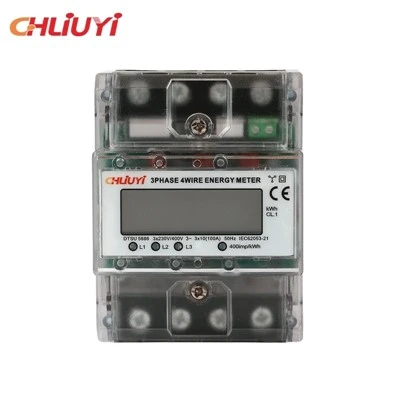
If you’re in the market for a data logger to pair with your DC energy meter, or you want to troubleshoot a logger that’s not working with your system, reach out to our team. We can help you match the right logger to your setup, offer guidance on installation, and make sure you get the accurate, consistent energy data you need to run your system efficiently. Whether you’re a first-time installer or a seasoned engineer, we’re here to help you pick the right solution without the hassle of guesswork.
Single Phase Wall Mount Energy Meter References
- International Electrotechnical Commission. (2019). IEC 61724: Photovoltaic system performance monitoring – Guidelines for measurement, data exchange and analysis.
- National Renewable Energy Laboratory. (2021). Data Logging and Monitoring for Distributed Energy Resources.
- Modbus Organization. (2022). Modbus Protocol Specification for Energy Meters and Data Loggers.
- International Society of Automation. (2020). Environmental Testing Standards for Industrial Energy Monitoring Devices.
- Electric Power Research Institute. (2022). DC Energy Monitoring for EV Charging and Solar Integration.
Zhejiang Liuyi Electrical Technology Co., Ltd.
Zhejiang Liuyi Electrical Technology Co., Ltd. is one of the most professional dc energy meter manufacturers and suppliers in China. We have world-leading production equipment and strong manufacturing capabilities. Please rest assured to wholesale high quality dc energy meter made in China here from our factory. Customized orders are welcome.
Address: No. 16 Zhengshun East Road, Xiangyang Industrial Zone, Liushi Town, Leqing City, Wenzhou City, Zhejiang Province
E-mail: hazel@chliuyiele.com
WebSite: https://www.chliuyiele.com/
