If you’ve ever been troubleshooting a clean water centrifugal pump that keeps tripping the breaker right after you start it up, you know how annoying that is—especially when you’re running a commercial system or a big residential setup and you can’t afford downtime. I’ve heard this question so many times from customers, installers, and even fellow pump folks, and honestly, it’s not just one random issue. When I’m out talking to people about our pumps, I break this down into common, easy-to-check causes, and most of them are fixable without calling a fancy technician. Let’s walk through what’s probably going on here. Clean Water Centrifugal Pump
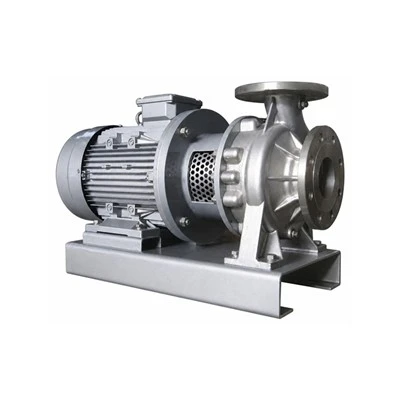
First, let’s get one thing straight: centrifugal pumps work by using rotating impellers to push water through the system, so if something’s off with how they interact with power or water, that’s when the breaker trips. A breaker’s job is to shut off power if the motor draws too much current, right? So tripping means the motor is pulling more amps than it should, and we need to figure out why that’s happening.
Let’s start with the most basic, easy-to-miss thing: power supply issues. I’ve had a customer call me at 7 a.m. last month saying their brand new clean water centrifugal pump tripped the breaker as soon as they flipped the switch. When I asked, they were using a 15-amp circuit for a pump that needs a 20-amp circuit. That’s a super common mistake—people don’t check the pump’s required voltage and amperage vs. what their breaker and circuit are rated for. A lot of residential pumps run on 120V, while commercial ones are 240V, and if you mismatch that—like plugging a 240V pump into a 120V outlet—it will pull way more current than it’s designed for and trip the breaker immediately. Even if it’s the right voltage, if the circuit has loose wiring, that can cause a power surge when the pump starts. Loose wires create resistance, which makes the motor work harder than it should, and boom—breaker trips. Another power thing: if your power lines are old or there’s a voltage drop, that also makes the motor draw extra amps. I always tell people to double-check the voltage at the outlet when the pump isn’t running. It should be within 10% of what the pump’s specs say—so if it’s supposed to be 240V, 216V to 264V is normal, anything lower and you’ve got a power issue.
Next, mechanical issues with the pump itself. Let’s talk about priming first, because clean water centrifugal pumps can’t run without being primed—meaning there’s water filling the suction line and the pump casing. If it’s dry, or not primed properly, the impeller is just spinning in air instead of water. When that happens, the motor has to work way harder to turn the impeller, and that excess current trips the breaker. I once saw a job where the installer forgot to open the suction valve before starting the pump—so the line was empty, the pump was dry, and it tripped the breaker before they even realized. Another mechanical thing: a jammed impeller. Sometimes debris from the water line—like a small rock, twig, or even buildup from sediment—gets sucked into the pump and gets stuck between the impeller and the volute (the pump’s outer casing). That stops the impeller from spinning freely, so the motor has to fight to turn it, drawing too much current. If you hear a weird grinding noise right before the breaker trips, that’s probably the impeller jammed. We always recommend checking the strainer on the suction line regularly to catch big debris before it gets to the pump—half the time, impeller jams are preventable with a good strainer.
Then there’s sizing issues, and this is probably the most common mistake I see as a pump supplier. A lot of people pick a pump based on how much water they think they need, but they don’t account for the system’s total dynamic head (TDH)—which is the total amount of pressure the pump has to work against to push water through the pipes, up any elevation, and through fixtures or equipment. If you get a pump that’s too big for your system, it will run at a higher flow rate than needed, which makes the motor pull more current than its rated load. Wait, let’s clarify that: when a centrifugal pump is off its best efficiency point (BEP)—the sweet spot where it’s designed to run—it can draw way more amps. For example, if you have a small residential well that only needs 10 gallons per minute (GPM) at 20 feet of head, and you install a pump that does 30 GPM at 50 feet, that pump will run way to the right of its BEP, and the motor will overload, tripping the breaker. On the flip side, if the pump is too small? No, wait—too small usually doesn’t cause overcurrent, but if the pipe is too small, that adds extra head. If you have a 1-inch pipe going to a pump that’s designed for 1.5-inch pipes, the friction loss through the small pipe increases the TDH, so the motor works harder. I had a commercial customer last year who installed a 1.5-inch pump with 1-inch supply lines; they kept tripping breakers until we swapped the suction line out for the right size. That’s a classic sizing mess-up.
Electrical issues with the motor or pump components go beyond just power supply. The motor’s windings—those copper coils inside that create the magnetic field to spin the impeller—can get damaged over time, either from overheating, moisture, or old age. If the windings are worn or have a short, that creates a ground fault or excess current, which trips the breaker. Another thing: the overload protection on the pump itself. Every clean water centrifugal pump has an internal overload switch that’s supposed to shut off the motor if it draws too much current, but sometimes that switch can be faulty or misadjusted. If you reset the breaker and it trips right away again, even after checking all the other stuff, the overload might be bad. Also, if the pump’s seal is leaking, water can get into the motor housing, which causes a short circuit. That’s a big one for pumps that are installed outdoors or near water—moisture in the motor leads to extra current draw, and the breaker trips to prevent fire or damage.
Wait, let’s not forget about start-up conditions. When a centrifugal pump starts, it has a “locked rotor current” (LRC) that’s 5 to 7 times the running current. That’s normal—for a split second, the motor draws a lot more power to get the impeller spinning. But if your breaker is too small for that LRC, it will trip every time. A lot of people size the breaker for the running current, not the start-up current. For example, if your pump runs on 10 amps, its LRC is 50 to 70 amps, so you need a breaker rated for at least 15 or 20 amps, not a 10-amp one. That’s a sizing mistake on the breaker side, not the pump. Also, if you have long power runs to the pump—like more than 100 feet of wire—small gauge wire can cause voltage drop, which as I said earlier, makes the motor draw more current. Thicker wire reduces voltage drop, so the motor doesn’t have to work as hard. I always tell customers to use the wire size the pump’s manual recommends, no matter how long the run is.
Now, let’s talk about how to actually figure out which one of these is your issue, instead of just guessing. First, unplug the pump or turn off the breaker before you do any checks—safety first, always. Start with the easiest stuff first: check the circuit’s voltage to make sure it’s matching the pump’s specs. If that’s good, check the priming: loosen the bleed screw on the pump casing and see if water flows out smoothly, no air bubbles. If there’s air, you need to re-prime the pump and check for leaks in the suction line. Next, shut off the power, disconnect the pump from the pipes, and spin the impeller by hand. If it’s hard to turn or feels gritty, you probably have debris stuck or a jam, so take the pump apart and clean the impeller. If it spins freely, that’s good, so move on to checking the wiring for loose connections, and make sure the breaker is rated for the LRC of your pump.
If you’ve tried all that and it’s still tripping, it’s probably a motor issue. Don’t try to take the motor apart yourself—there’s high voltage in there, even when it’s unplugged. That’s when you should reach out, because we’re here to help. As a clean water centrifugal pump supplier, we work with installers, facility managers, and homeowners all the time to troubleshoot these issues, and we can help you figure out if you need a repair, a new pump, or just a part swap.
I get it, dealing with a tripping breaker is stressful, especially when you rely on that pump for clean water—whether it’s for your home’s well, a restaurant’s supply, or a commercial building’s HVAC system. The good news is most of these problems are super fixable, and you don’t have to wait days for a technician to come out. If you’re still stuck after going through these steps, just reach out, tell us your pump model, your system specs, what you’ve already tried, and we’ll walk you through it or help you get the right solution. No hassle, no jargon, just actual answers that work for your clean water centrifugal pump.
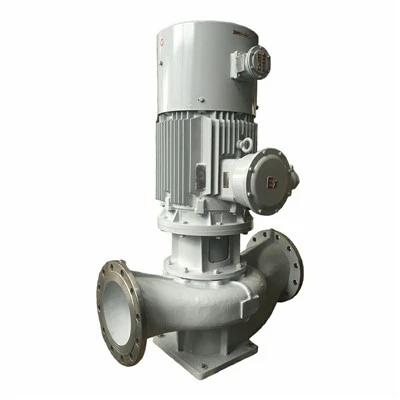
Now, I want to wrap this up by saying this isn’t an exhaustive list, but it covers 90% of the cases we see. Every pump and every system is a little different, but the core issues boil down to power, mechanical load, or sizing. If you skip checking the easy stuff first, you’ll end up wasting time and money on things you don’t need. And if you’re in the market for a new pump or need help troubleshooting, don’t hesitate to connect with us to get the right fit for your setup.
Fire Pump and Complete Fire Fighting Set References:
- Pump Handbook, 4th Edition, McGraw-Hill.
- Hydraulic Institute Standards for Centrifugal Pumps, ANSI/HI 9.6.1.
- National Electrical Code (NEC) Article 430 for Motor Circuits and Overload Protection.
- Centrifugal Pump Maintenance Guide, Water Quality Association.
Zhejiang Kaicheng Pump Valve Co., Ltd.
Zhejiang Kaicheng Pump Valve Co., Ltd. is one of the most professional clean water centrifugal pump manufacturers and suppliers in China, also supports customized service. We warmly welcome you to buy advanced clean water centrifugal pump made in China here and get quotation from our factory. For price consultation, contact us.
Address: No.501 Zhangbao North Road, Dong ou Industrial Park, Oubei town, Yongjia, Zhejiang Province, China
E-mail: sales@cnkcmp.com
WebSite: https://www.kcmpumps.com/
