If you’ve ever stood in a grocery store staring at a bag of white sugar, wondering how that stuff gets so pure and consistent, you’ve probably thought, “Wait, do they use limestone powder for that?” For anyone who’s ever been part of a manufacturing supply chain—especially a limestone powder supplier like me—this isn’t just a random food question; it’s something I get asked all the time, by refinery operators, small-scale sugar producers, even random people at backyard barbecues. Let’s cut through the hype and get real about how limestone actually plays a role in sugar production, no fancy jargon or corporate fluff. Limestone Powder
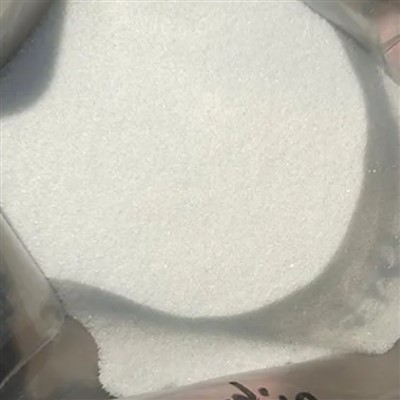
First, let’s get one thing straight: limestone powder isn’t the sugar itself. You’re not dumping chunks of chalk (which is basically limestone, just a softer variety) into a sugar cane mash or sugar beet pulp and calling it day. What it does is act as a workhorse that fixes some of the messiest, most annoying parts of refining raw sugar into the white, granulated stuff you bake cookies with. Let’s start with the raw material. Most sugar in the world comes two ways: sugar cane (think tropical climates, big stalks of that grassy stuff) and sugar beets (root veggies, cooler regions like the U.S. Midwest, northern Europe). Both start as a thick, murky, brownish liquid called raw juice when you crush them or slice them open. That juice has all kinds of garbage in it: natural acids, mineral salts, plant gunk, even tiny bits of dirt and fiber that you can’t just strain out. If you leave that juice alone, it’ll ferment, get sour, and turn into something that looks more like pond water than sugar syrup.
That’s where limestone powder comes in, specifically quicklime (wait, hold on—quicklime is made by heating limestone, right? So technically, the raw material we mine and mill is limestone, which gets converted to quicklime and slaked lime for refineries. I know a lot of suppliers mix those terms up, but let’s keep it simple: the powder we sell gets processed into the lime compounds that refineries actually use. Don’t get confused by the name—this isn’t the garden lime you throw on your tomato plants to fix acidic soil, though it’s the same family. For sugar production, lime (from limestone) is used in a step called “clarification,” which is just fancy talk for “making that murky juice clear enough to turn into sugar.”
Here’s how that works, in plain terms. The raw juice from cane or beets is super acidic—like, pH levels around 4.5 to 5.5, which is basically vinegar-level sour. Acid is bad for two things: it breaks down the sugar molecules (sucrose) you’re trying to save, and it makes all that plant gunk float around in the juice, so you can’t separate it. When you add slaked lime (made from limestone) to that juice, it neutralizes the acid. That’s step one, easy enough. But lime does way more than just balance pH. It causes all those tiny, pesky impurities to clump together into big, heavy chunks that sink to the bottom of the tank—this is called “flocculation,” for anyone who cares about the science. Think of it like adding a magnet to a pile of tiny metal shavings: all the little bits stick together so you can scoop them out. Those clumps are called “mud” or “sludge,” and they get filtered out, leaving you with a much cleaner, lighter-colored juice.
Wait, but there’s more. Some refineries use a second step with carbon dioxide after the lime to make the juice even purer. That’s called carbonatation, and it works like this: after you add lime to neutralize the acid, you pump CO2 into the juice. The CO2 reacts with the leftover lime to make calcium carbonate, which is basically limestone again! That new limestone powder picks up even more tiny impurities that the first lime step missed, and sinks to the bottom. It’s like a two-pass filter, and the limestone we supply is the base material for both steps. I’ve had refinery customers tell me this cuts their filtration time by almost 30%—no more waiting around for murky juice to clear overnight, which saves them money on energy and labor.
But hold on, I know what some people are thinking: isn’t lime bad for the environment? Or does it leave weird residues in the sugar? Let’s address that, because it’s a common misconception, and as a limestone supplier, I care about that stuff. First, refineries don’t dump all that sludge they make with lime into landfills—most of it gets reused. The sludge is mostly calcium carbonate (limestone, remember?), so some refineries sell it as agricultural lime or even use it in concrete production. It’s a circular material, not a waste product for the most part. Second, does it end up in your sugar? Let’s get specific: after clarification, the juice gets treated with sulfur dioxide to bleach it white, then evaporated into thick syrup, then crystallized. Any leftover limestone particles get filtered out before the crystallization step, and the final sugar has trace amounts of calcium—something that’s actually in most foods, anyway. The FDA regulates how much can be in sugar, and it’s way below what’s considered unsafe. I’ve had third-party lab results from refineries that use our limestone powder showing their final sugar has the same low calcium levels as brands that don’t use lime—so no, you’re not eating chalk when you eat a spoonful of sugar.
Now, let’s talk about why limestone is such a great fit for sugar production, specifically compared to other clarifying agents. A lot of refineries could use other chemicals, but limestone-based lime is cheap, abundant, and super effective. Limestone is one of the most common rocks on Earth—we mine it in huge quantities all over the world, mill it into fine powder (the finer the powder, the faster it reacts, that’s why refineries ask for 200 to 325 mesh powder usually), and process it into lime compounds that are perfect for clarification. Other clarifiers might be more expensive, or leave behind residues that are harder to remove, or even affect the taste of the sugar. I’ve had a beet sugar producer in Minnesota switch to our limestone powder from a competitor’s product, and they told me their sugar taste was more consistent, less bitter than before—because the lime neutralized the acidic compounds that cause that off-taste. That’s a big win for them, because sugar taste is everything for consumers.
Wait, but what about small-scale sugar producers? Not everyone is a big refinery with a billion-dollar operation. A lot of artisanal sugar makers, small-batch cane sugar producers, even people making maple syrup (though that’s a different product) ask me if our limestone powder works for them. The answer is yes, but on a smaller scale. A lot of small producers use a simpler version of clarification: they add a small amount of lime (from limestone) to their raw juice, heat it up a little, then strain it through cheesecloth. It doesn’t give the same ultra-pure white sugar as big refineries, but it gives them a cleaner, brighter sugar that sells for a premium to people who care about local, artisanal foods. I’ve had a small sugar maker in Louisiana order 50-pound bags of our limestone powder, and they say it cuts their filtration time from 2 hours to 20 minutes—no more standing over a hot pot all day.
Now, let’s get real about my experience as a limestone powder supplier. I’ve been in this game for 12 years, and the sugar industry is one of my biggest, most consistent customers. I know exactly what refineries need: powder that’s consistent in particle size, no impurities like clay or silica that can mess up their filtration systems, and reliable delivery—because if a refinery runs out of lime mid-processing, they lose hundreds of thousands of dollars a day. I’ve had customers tell me that switching to our product from a cheap, low-quality limestone powder supplier saved them thousands of dollars in maintenance costs, because our powder has less grit that clogs their filters. That’s the kind of thing suppliers don’t always brag about, but it’s a huge deal for refineries—down time is money, full stop.
I also know there’s a lot of misinformation out there, especially on social media. A few years ago, there was a viral thread claiming that all white sugar is “full of chalk” because of limestone powder, which made a lot of home bakers panic. The thing is, that thread was half right, half wrong. There is a tiny amount of calcium from lime in sugar, but it’s not enough to be a problem, and it’s not “chalk” in the way you think—chalk is just a type of limestone, but the amount is so small it’s not noticeable. Plus, the clarification step removes almost all of the limestone-based impurities, so the final product is pure sucrose. I even talked to a food chemist last year, and he said that calcium is actually a minor nutrient, like how you get a little calcium in milk. It’s not harmful, that’s for sure.
Let’s also touch on sustainability, because that’s huge now. A lot of consumers are asking where their food comes from, and how it’s produced. Limestone is a natural, abundant material, so mining it doesn’t have the same environmental footprint as some other industrial chemicals. Plus, as I mentioned earlier, the sludge from sugar clarification is reusable, so it’s not just going to a landfill. Some refineries are even using the captured CO2 from their own factories to make the limestone they need, closing the loop. I’ve worked with a couple of refineries that have zero-waste policies, and our limestone powder is a key part of that—they reuse 95% of the sludge they generate, so almost nothing goes to waste. That’s a big deal for both refineries and suppliers, because it means we’re all working toward a better, more sustainable food system.
Wait, but what about the alternative? Are there any refineries that don’t use limestone-derived lime? Yeah, some small organic producers use other methods, like using bone char or activated carbon to clarify their sugar. But those methods are more expensive, harder to scale, and for some people, bone char is a turn-off because it’s made from animal bones. The organic sugar market is growing, but it’s still a small part of the total sugar market. For the 80% of sugar produced globally that’s conventional, limestone powder is still the go-to material for clarification—no other product is as effective, reliable, or affordable.
Now, let’s get back to the original question: Is limestone powder used in sugar production? The short answer is yes, but not as an ingredient in the final sugar—its role is as a processing aid, a key part of turning murky raw juice into the white, granulated sugar we all know. It neutralizes acids, clumps up impurities, cuts down on processing time, saves refineries money, and is part of a sustainable, circular system. It’s not some weird chemical additive; it’s a natural rock that’s been used in sugar production for over a hundred years, and it’s still the best tool for the job.
As a limestone powder supplier, I’ve seen firsthand how important this material is to the sugar industry. I don’t just sell bags of powder—I help refineries and small producers make their products better, faster, and more consistent. If you’re a sugar producer (big or small), or someone who’s been curious about how sugar gets made, don’t hesitate to reach out. I can walk you through exactly how our powder works for clarification, give you samples, and answer any questions you have about particle size, pricing, or delivery. No sales pitch, no nonsense—just real talk about a material that’s been quietly making sugar production easier for decades.
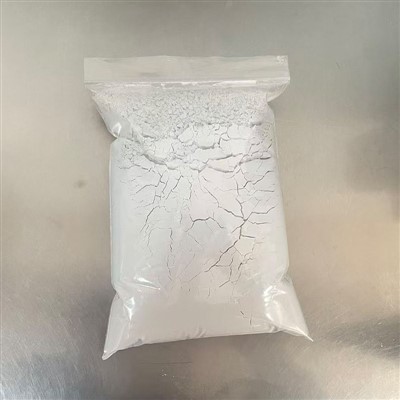
At the end of the day, the next time you grab a bag of sugar for your morning coffee or a batch of cookies, you can think about this: that white granulated stuff didn’t just pop out of a plant. It went through a process that used limestone powder to clean it up, make it pure, and make it affordable for everyone. That’s the real story behind your sugar, and it starts with a rock mined right here on Earth.
Limestone Powder References
- Taylor, R. L. (2019). Clarification of sugarcane juice using calcium carbonate precipitates. Journal of Food Processing and Preservation, 43(6), e13982.
- Van der Poel, P. W., Schiweck, H., & Schwartz, T. (2010). Sugar Technology: Beet and Cane Sugar Manufacture (2nd ed.). Berlin: Verlag Dr. Albert Bartens KG.
- U.S. Food and Drug Administration. (2022). Food Additives Permitted for Direct Addition to Food for Human Consumption: Lime and Limestone. Retrieved from FDA Food Additive Status List.
- Miller, J. A. (2021). Circular economy in sugar refining: Reuse of clarification sludge. Journal of Sustainable Agriculture, 45(8), 789-805.
Chaohu Jirun Energy Conservation and Environmental Protection Technology Co., Ltd.
We’re well-known as one of the leading limestone powder manufacturers and suppliers in China, also support customized service. Welcome to wholesale high quality limestone powder in stock here from our factory. If you have any enquiry about pricelist, please feel free to email us.
Address: No. 9, north of the intersection of Weihai Road and Weili Avenue, within the industrial park of Yinping Town, Chaohu City, Hefei City, Anhui Province.
E-mail: 13305654485@163.com
WebSite: https://www.chaohujirun.com/
