As a Shacman supplier with over a decade in heavy commercial vehicle parts and equipment distribution, I’ve spent countless hours on construction sites, mining yards, and cross-border cargo routes watching Shacman cargo trucks do what no other vehicle can: pull 50-ton loads over 1,000-kilometer stretches of unpaved mountain roads, navigate tight urban distribution lanes at 6 a.m. before rush hour, and stand up to months of nonstop work without the frequent breakdowns that can cripple a small fleet. I don’t just sell these trucks— I see them every day, and I know they’re more than a vehicle; they’re the backbone of so many businesses that rely on moving goods to build communities and power economies. Let me break down what makes a Shacman cargo truck not just a purchase, but a long-term investment for fleet operators and independent contractors alike. Shacman

First, it’s important to start with the brand’s roots, because that foundational identity shapes every truck they build. Shacman, short for Shaanxi Automobile Group, is a Chinese state-owned manufacturer founded in 1968, with a focus exclusively on heavy and medium-duty commercial vehicles for over 55 years. Unlike many brands that offer a mix of passenger cars and light trucks, Shacman’s entire portfolio revolves around vehicles built for hauling, construction, mining, and long-haul cargo transport. This single-minded focus means every design decision—from the frame’s steel grade to the engine’s torque output—prioritizes durability and performance, not just aesthetics or cost cutting. As a supplier, I can tell you that’s why Shacman trucks have grown from a domestic favorite in China to a trusted name in 140+ countries across Asia, Africa, the Middle East, and Latin America over the past 20 years. They’re not a flashy brand, but they’re the one contractors call when they need a truck that won’t let them down in remote locations where repair shops are a day’s drive away.
Now, when we talk about a Shacman cargo truck, we’re not referring to one single model—it’s a category that spans medium-duty box trucks, heavy-duty long-haul tractors, mining dump trucks adapted for cargo, and specialized flatbeds for heavy machinery. Each model is tailored to a specific use case, which is why one truck might work for a local courier delivering small packages, while another is built to haul construction steel from a mill to a job site 300 kilometers away. Let’s dive into the key features that unify all Shacman cargo trucks, the ones that make them stand out from competitors like howo, Iveco, and Volvo in the heavy haul space.
The first feature, and arguably the most important for any cargo operator, is the powertrain. Shacman doesn’t cut corners here; most of their cargo trucks use either Cummins diesel engines (for international markets) or their own high-torque Shaanxi-built diesel units, both designed for low-end torque. What does that mean in real terms? Torque is the force that gets a heavy load moving from a stop, so a Shacman truck can pull a fully loaded 40,000 kg cargo trailer up a 10% grade without downshifting repeatedly, which saves fuel and reduces wear on the transmission. I’ve seen brand new Howo trucks struggle with the same load on that same mountain pass, while a Shacman keeps a steady pace. The engines also meet Euro 3, Euro 5, and even China National VI emissions standards, depending on the market, so they’re compliant with most international environmental regulations, which is a big deal for cross-border operators.
Next, the chassis and frame. A cargo truck’s frame is its skeleton—if that breaks, the whole truck is useless. Shacman uses high-tensile structural steel for their frames, with cross members spaced every 30 centimeters instead of the industry standard 40 centimeters. That extra support prevents the frame from twisting when driving on uneven terrain, like rutted mining roads or pothole-ridden urban streets. I once had a client who ran a small construction fleet tell me he replaced his old brand’s trucks every two years because of frame cracks; he’s had two Shacman flatbeds for five years now, and they still show no signs of stress. The suspension is another key component: Shacman uses multi-leaf spring suspensions for heavy-duty models, which absorb rough impacts better than the air suspensions common in light passenger trucks, making the ride smoother for both the driver and the cargo, especially fragile goods like electronics or food products.
Then there’s the cab, which is where drivers spend 10+ hours a day, so comfort directly ties to productivity. A lot of budget-focused truck brands skimp on cabs, with hard plastic seats and no climate control, but Shacman cargo trucks come with options for air-ride seats, ergonomic steering wheels, and even sleeper cabs for long-haul trips. The cabs are also designed with better visibility—larger windshields and side mirrors that eliminate blind spots, which is crucial for city driving where pedestrians and small cars are everywhere. As a supplier, I’ve heard countless drivers say they’d choose a Shacman just for the cab; it’s not fancy, but it’s designed to be functional, which makes long hauls less tiring and reduces the risk of driver fatigue, a major cause of accidents in the cargo industry.
Now, let’s talk about the practical side that matters most to buyers: availability and service. Shacman has a global network of distributors and authorized repair centers, which is a huge advantage over smaller, lesser-known truck brands. Even in countries with limited infrastructure, you can usually find a Shacman spare part within 72 hours, either through a local distributor or shipped from their regional warehouse. That’s a game-changer for operators who can’t afford to have a truck out of service for a week waiting for a part. As a supplier, we stock common spare parts—filters, brake pads, engine components—for all Shacman cargo models, so we can get replacements to clients quickly, often the same day. I also work with local mechanics who tell me Shacman trucks are easier to repair than many competitors; their design is straightforward, with accessible parts and clear service manuals, so even a less experienced mechanic can fix a minor issue without needing to ship the truck to a specialized shop.
But like any product, Shacman cargo trucks aren’t perfect. They do have a few common pain points that new buyers should be aware of. For one, the base models often have more basic infotainment and interior features compared to European brands, so if a driver wants a touchscreen or Bluetooth connectivity, they’ll usually need to add an aftermarket upgrade. In some markets, the initial purchase price is slightly higher than budget Chinese brands, but that’s offset by the lower long-term maintenance costs and longer lifespan—most Shacman cargo trucks last 8–10 years with proper care, compared to 5–7 years for cheaper alternatives. Another point: while Shacman’s global support is good, in very remote areas with no authorized distributors, finding specialized repair help can be a challenge, which is why we offer on-site training for fleet mechanics and emergency spare part shipments for clients operating in isolated regions.
Let me give you a real example to put this in perspective. A few years back, I worked with a small logistics company in Kenya that operated three old cargo trucks, all from a different brand. They were breaking down every 2–3 months, costing them thousands in repair fees and missing delivery deadlines, which made clients start leaving. We supplied them with two medium-duty Shacman cargo trucks and a spare parts package for $12,000 less than replacing their three old trucks would have cost. In the first two years, those Shacman trucks only needed two minor repairs, and their delivery on-time rate went from 65% to 92%. They just bought two more last month, and their owner told me, “Shacman isn’t just a truck— it’s the reason my business grew 40% in two years.” That’s the kind of impact these trucks have.
Now, if you’re a fleet manager, independent contractor, or logistics company looking to add a cargo truck, choosing Shacman means choosing a vehicle built for the work you do. Whether you’re moving construction materials, retail goods, agricultural products, or heavy machinery, there’s a Shacman model sized and configured for your needs. I’ve seen them work in deserts, in rainforests, in city centers, and on high mountain roads—places where other trucks would fail.
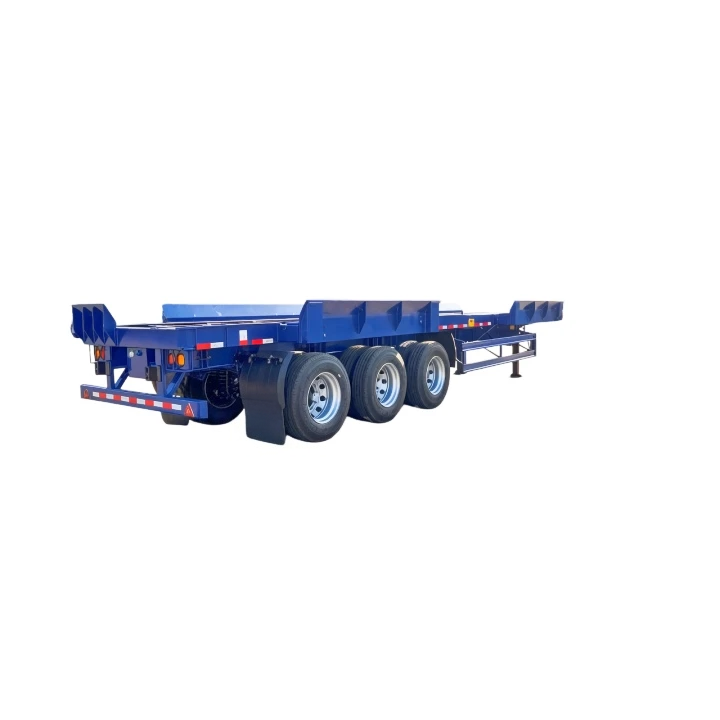
If you’re ready to learn more about Shacman cargo trucks, discuss your fleet needs, or ask about our supply options, feel free to reach out to us for a confidential consultation. We work with operators of all sizes, from single-truck contractors to large national fleets, and we can help you find the right model at a price that fits your budget.
Low Bed Trailer References
- Shaanxi Automobile Group Co., Ltd. "2024 Global Product Portfolio." Official Shacman Global Documentation.
- International Transport Forum. "Heavy Commercial Vehicle Durability and Maintenance Costs: A Global Comparison." 2023.
- Commercial Vehicle Industry Association. "Medium and Heavy-Duty Truck Market Trends in Emerging Economies." 2024.
Qingdao Leonmec Mechanical Co., Ltd.
As one of the most professional shacman manufacturers and suppliers in China, we have world-leading production equipment and strong manufacturing capabilities. Please feel free to buy durable shacman made in China here from our factory. For price consultation, contact us.
Address: ROOM 903, BUILDING 3 NO.480 JIANGSHAN SOUTH ROAD HUANGDAO DISTRICT (FORMER ECONOMIC & TECHNOLOGICAL DEVELOPMENT ZONE) QINGDAO CITY, SHANDONG PROVINCE P.R.CHINA
E-mail: info@leonmec.com
WebSite: https://www.leonmec.com/
