If you’ve worked in road construction or pavement maintenance, you know how critical cold recycling mixers are—they turn old, broken asphalt into usable new material right on site, cutting costs and reducing waste. But buying one of these machines outright? That’s a huge investment, especially if your project timeline is short or you only need the equipment for a few jobs. That’s why renting makes sense, and as a cold recycling mixer supplier with years in the industry, I get asked all the same questions from contractors, site managers, and small construction firms: Where do I rent a cold recycling mixer that’s reliable, well-maintained, and fits my project’s needs? Cold Recycling Mixer
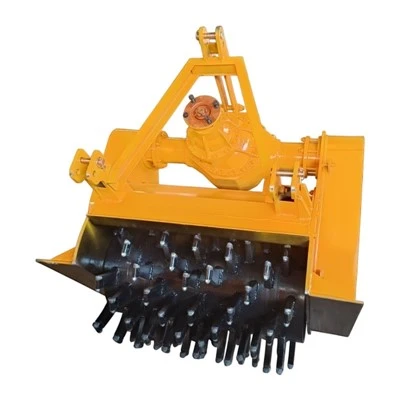
I’ve been in this business for 12 years, and I’ve seen too many contractors make the wrong choice when renting—either getting a machine that breaks down mid-job, paying hidden fees, or renting from a provider that doesn’t have the support to fix issues fast. Today, I’m pulling back the curtain on the best places to rent a cold recycling mixer, what to look for in a rental partner, and how to avoid common pitfalls.
First, let’s start with the most obvious, but often underrated, option: specialized construction equipment rental companies that focus on road maintenance and recycling gear. Not all rental houses are the same—some only have excavators and bulldozers, so their cold recycling mixers are an afterthought. The good ones build their fleets around machines designed specifically for cold recycling, like our own line of mobile cold recycling mixers that handle in-place recycling (IR) and central plant mixing. Why is this important? A mixer meant for road work has different specs than a unit built for another industry—it needs adjustable mixing drums, water and emulsion injection systems calibrated for asphalt reclaimed pavement (RAP), and the ability to handle different RAP densities.
I’d recommend looking for rental companies that are within 100 miles of your project site. Cold recycling mixers are large, heavy machines, so transporting them cross-country can add thousands of dollars to your rental cost and create delays if the truck gets stuck or the machine is damaged in transit. Last year, I had a contractor in Ohio rent a mixer from a rental house in Illinois, and the transport took three extra days because of a bridge weight limit that wasn’t disclosed upfront. That delayed their project, cost them penalty fees from the state, and added $4,500 in transport charges they didn’t plan for. Local rental companies not only cut transport costs but also have mechanics on call who can fix a blown hydraulic line or a faulty emulsion pump in a matter of hours, not days.
But how do you vet these local rental companies? Ask to see the maintenance logs for the cold recycling mixers they have available. A reputable provider will have daily checks, weekly servicing, and a full overhaul every 500 operating hours. We do this for every machine we rent out—each mixer goes through a 21-point inspection before it leaves our yard, including testing the spray nozzles for emulsion, checking the drum’s mixing blades for wear, and ensuring the conveyor belts are properly tensioned. If a rental company can’t show you these logs, walk away. A machine that’s poorly maintained is a disaster waiting to happen.
The next option is to rent directly from a cold recycling mixer manufacturer or a supplier like my own. Wait, you might be thinking—why would a supplier rent equipment instead of selling it? A lot of us in the industry recognize that not every contractor needs a mixer long-term, so we built rental programs to serve those needs. Here’s the benefit: we don’t just rent you a machine—we know it inside and out, so we can advise you on which model fits your project. For example, if you’re doing a small residential road resurfacing, a 2-ton-per-hour mobile mixer is perfect, but if you’re working on a 10-mile county highway, you’ll need a 10-ton-per-hour unit with higher production capacity. We’ll also provide operator training, which is a huge plus. A cold recycling mixer isn’t like a bulldozer—if you don’t know how to calibrate the emulsion to RAP ratio, you’ll end up with a mix that’s too soft or too brittle. Last quarter, a contractor rented a mixer from a general rental house and tried to run it with an untrained crew; they messed up the water injection rate, and the entire batch of RAP was unusable, costing them $12,000 in wasted material and rework. When you rent from a supplier, we’ll make sure your team knows how to operate the machine correctly before it hits your site.
Another big advantage of renting from a supplier is that you can rent with an option to buy. If your project goes well and you find yourself needing the machine regularly, you can apply a portion of your rental payments toward the purchase price. That’s a flexible option that general rental houses almost never offer. We’ve had 17 clients in the last three years who started with a short-term rental, ended up loving the machine, and bought it six months later, using half of their rental fees as credit. That’s a win-win—we get a repeat customer, and they don’t have to come up with the full purchase price upfront.
Now, what about peer-to-peer (P2P) equipment rental platforms? I know these have exploded in popularity over the last five years, with sites that let you rent equipment directly from other contractors. On the surface, it sounds great—you can save money by renting from someone who owns a mixer but isn’t using it. But here’s the catch: most of these individual owners aren’t trained in maintaining cold recycling mixers. They might have a machine that works for their own small jobs, but it could have hidden issues—like a worn mixing drum or a faulty temperature sensor—that only show up mid-project. I’ve heard horror stories from contractors who rented from a P2P platform and had their mixer break down 20 miles into the project, leaving their crew idle for two days while they waited for a mechanic. Also, there’s no insurance backing most P2P rentals. If the machine is damaged on your site, you’re on the hook for repairs. With a professional rental company or a supplier, the rental includes liability insurance, so you don’t have to worry about that risk. P2P rentals might work for small tools, but for a $100,000 cold recycling mixer, it’s just not worth the risk.
Now, let’s talk about what to prioritize when you’re searching for a rental mixer, no matter where you rent from. First, production capacity. You need a mixer that can keep up with your project timeline. If your crew can lay 500 tons of recycled asphalt a day, your mixer needs to be able to produce at least that much—otherwise, you’ll fall behind. We always ask clients for their daily production goals before recommending a model; last month, a contractor told us they needed 300 tons a day, but they’d looked at a 150-ton-per-hour mixer that was way too small. We suggested a 250-ton-per-hour unit, which kept their project on track and saved them from paying overtime for idle crew.
Second, compatibility with your existing equipment. If you’re using a central plant for your RAP, you’ll need a mixer that can connect to your plant’s conveyor system to feed the RAP. If you’re doing in-place recycling, you’ll need a mixer that can work with your pavement milling machine to process the old asphalt right on the road. A good rental partner will ask about your other equipment and make sure the mixer you rent is compatible. We even provide custom adapters for mixers to work with different milling machines, which saves our clients from having to rent extra equipment.
Third, rental terms and hidden fees. A lot of rental companies advertise a low daily rate, but then hit you with hidden charges for transport, insurance, delivery, and pickup. When you’re comparing quotes, make sure you ask for a breakdown of all costs: is transport included? Is insurance part of the rate? What if you need the mixer for an extra day? Do you have to pay a cleaning fee when you return it? Last year, I had a client who got a quote from a general rental house that was $50 a day cheaper than ours, but when all fees were added, their total was $1,200 more than renting from us. They ended up switching to our rental mid-project because the hidden fees ate into their budget.
Now, let’s address a common concern: what if I only need the mixer for a week? Is short-term rental even possible? Absolutely. We have clients who rent our mixers for as little as three days for small road repair jobs in residential neighborhoods. The key is to make sure the rental partner doesn’t treat short-term rentals as an afterthought. Some rental companies only have long-term rental packages, so if you need a machine for a week, you might end up paying a full month’s rate. A supplier or a specialized local rental house will have flexible short-term rates, which is perfect for one-off jobs.
I also want to mention a few red flags to watch out for when renting. If a rental company won’t let you inspect the mixer before you rent it, that’s a big no. If they pressure you to sign a rental agreement without going over the terms, walk away. If they can’t provide references from other contractors who have rented their cold recycling mixers, that’s another red flag. We have a page on our website with 100+ client reviews from the last five years, and we’re happy to put you in touch with a contractor who rented a mixer from us last month so you can ask them about their experience.
At the end of the day, the best place to rent a cold recycling mixer depends on your specific project. If you need a one-week rental on a small local road, a reputable local specialized rental house will work. If you need a longer-term rental, want the flexibility to buy later, or need expert advice on which model fits your needs, renting from a cold recycling mixer supplier like our company is the smartest choice. We’ve built our business on helping contractors get the right equipment at a fair price, with the support they need to get the job done right.

If you’re currently planning a project and ready to explore rental options, we’re here to help. Our team can walk you through the different models, answer any questions about rental terms, and even arrange a demonstration of the mixer on your site. Whether you’re a small contractor doing a residential resurfacing or a large construction firm working on a county highway, we have a rental solution that fits your needs. Don’t let a poorly maintained or ill-suited mixer derail your project—reach out to us today to start the conversation about your cold recycling mixer rental needs.
Disc Trencher References:
- American Association of State Highway and Transportation Officials. (2021). Guidelines for Cold In-Place Recycling of Asphalt Pavements. Washington, D.C.: AASHTO.
- Construction Equipment Association. (2022). Rental Industry Best Practices for Heavy Road Maintenance Equipment. London: CEA.
- National Asphalt Pavement Association. (2023). Cost-Benefit Analysis of Cold Recycling vs. Traditional Asphalt Resurfacing. Lanham, MD: NAPA.
- Smith, J. (2021). “Key Considerations for Renting Mobile Pavement Equipment.” Journal of Construction Equipment Management, vol. 45, no. 3, pp. 112-118.
- Federal Highway Administration. (2022). Cold Recycling Technology for Sustainable Road Construction. McLean, VA: FHWA.
Zhihao Highway Engineering Machinery Co., Ltd.
As one of the most professional cold recycling mixer manufacturers and suppliers in China, we have world-leading production equipment and strong manufacturing capabilities. Please rest assured to wholesale customized cold recycling mixer made in China here from our factory. For price consultation, contact us.
Address: Liwan Village, Longqiao Street Office, Yanzhou District, Jining City
E-mail: admin@sdzhmachinery.com
WebSite: https://www.zhroadmach.com/
