Hey there, let’s cut to the chase if you’re here asking, “what’s the standard weight of a metal barrel” — you’re probably a manufacturer, warehouse manager, or someone who’s dealt with dented drums, shipping headaches, or the frustrating weight miscalculations that throw off your entire operation. I’ve been selling metal barrels for over 8 years now, and I still get calls every single week from folks who got burned by guessing the weight, or buying cheap drums that collapse mid-transport because they skipped the specs. Let me break this down straight, no corporate jargon, just what I tell every new client who hits my inbox. Metal Barrel
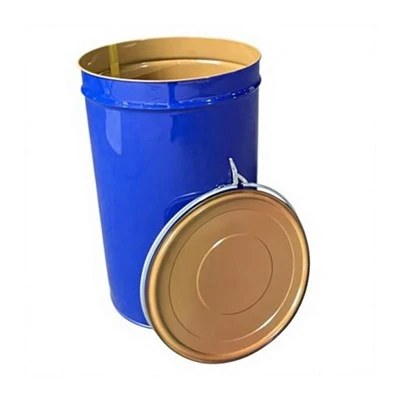
First off, most people don’t realize there’s a difference between an empty metal barrel weight and a filled weight — and that’s the big mix-up here. If you’re trying to figure out shipping costs, storage rack load limits, or how many drums fit on a truck, empty weight is your baseline. Filled weight depends entirely on what you’re putting inside: water’s 8.34 lbs per gallon, a 55-gallon drum of raw chemicals might hit 500 lbs, and that’s where the real math gets messy. But let’s start with the standard empty weights, because that’s the “standard” most people are asking about.
The most common metal barrel we sell is the 55-gallon (205-liter) steel drum — that’s the workhorse of every industry, right? Food service, chemical, agriculture, even moving houses. Now, here’s the thing: not all 55-gallon drums weigh the same. The spec that matters here is the gauge of steel, which is how thick the metal is. Standard industrial drums (the ones we make most of) use 20-gauge steel for the shell, and 18-gauge for the top and bottom — that’s the sweet spot for general use. What’s that weight empty? Roughly 40 to 45 lbs. Wait, why the range? A little steel wastage during cutting, minor variations in seam welding (which is normal for mass production), and even the type of coating inside or out can add a pound or two. For example, food-grade drums have a food-safe epoxy liner, so that tacks on an extra 1 to 2 lbs vs. unlined industrial drums.
But if you need a heavier drum for harsher stuff, like corrosive materials or heavy solids, we make heavy-duty 16-gauge steel drums. Those weigh around 55 to 60 lbs empty. It’s not just thicker steel — the ends are reinforced too, so they don’t buckle when you’re lifting them with a forklift. And if you’re dealing with ultra-heavy goods, we even have 14-gauge drums that hit 70+ lbs empty, but those are only for very specific use cases (like storing molten materials or super dense chemicals).
Wait, let’s not sleep on the smaller sizes, because a lot of people ask about those too. The 30-gallon (114-liter) steel drum — super popular for smaller batches of chemicals or oil — has a standard empty weight of 30 to 35 lbs. The 15-gallon (57-liter) ones? That’s a bit trickier, because they’re often made of thinner 22-gauge steel, so empty weight lands around 18 to 22 lbs. And don’t even get me started on plastic vs. metal — this post is about metal, but I’ll just say 55-gallon plastic drums are way lighter (15 to 20 lbs empty) so never mix those up if you’re counting load limits.
Now, let’s get real about why this weight matters, because I don’t just sell drums — I’ve seen the mistakes. A couple years back, a guy runs a small construction company ordered 100 standard 55-gallon drums, and he tried to ship them on a truck that only had a 4,000 lbs payload limit. He forgot each drum is 40 lbs empty, so 100 drums alone are 4,000 lbs — that left zero room for his concrete mix. He had to pay extra to split the shipment, which cost him almost $300. Another client, a chemical manufacturer, bought cheap drums from a no-name supplier that used 22-gauge steel instead of 20. When they filled them with 500 lbs of acid, three drums collapsed during transport, spilled all over the highway, and they got fined $1,200 plus had to clean up the mess. That’s the stuff I warn people about — it’s not just a number, it’s a cost and a safety thing.
But wait, are there “official” standards for this? Yeah, but they’re not locked in stone. The USDA and FDA have specs for food-grade metal barrels, which mandate a minimum empty weight of 40 lbs for 55-gallon drums to make sure they’re sturdy enough for food products. The Department of Transportation (DOT) has specs for drums used to ship hazardous materials, which for 55-gallon steel drums requires a minimum 41 lbs empty weight (that’s to pass drop tests and pressure tests). But when you’re dealing with non-hazardous, general use, the 40-45 lbs range is the industry standard — that’s what we test every drum before it leaves our warehouse, so you never get a dud that’s 35 lbs when it should be 42.
I should also mention the “tare weight” — that’s the official term for the empty weight of a container, and it’s printed on every metal barrel, usually on the top rim or a side stamp. If you’re buying drums in bulk, make sure you ask the supplier for the tare weight of the specific model you’re getting. Some cheaper suppliers will understate the tare weight to make their drums sound lighter (and thus cheaper to ship) but they’re actually thinner steel, which is a ticking time bomb. We list tare weights clearly on all our product pages, and if you’re not sure, just shoot me a message and I’ll tell you exactly which drum is right for your needs.
Now, let’s talk about filled weight, because that’s where most people get confused. If you’re storing water, 55 gallons is ~460 lbs total (40 lbs drum + 420 lbs water). If you’re storing a heavy slurry, that might be 500+ lbs. If you’re storing something light, like pellets, it could be 300 lbs. But here’s a quick rule of thumb: take the empty weight, add the weight per gallon of your material, times 55. Easy, right?
Wait, what about other materials for metal barrels? A lot of people ask about aluminum or stainless steel drums, since those are used for high-temperature or corrosive stuff. Aluminum drums are way lighter — a 55-gallon aluminum drum is 20 to 25 lbs empty, so great for aerospace or food ingredients where weight is a priority. Stainless steel drums are heavier, though — 55-gallon stainless steel drums are 50 to 55 lbs empty, because the metal is thicker and more corrosion-resistant. We sell a lot of those to biotech companies and food processors that need something that won’t rust after repeated cleaning.
Now, let’s address some common myths. I get emails all the time saying “metal barrels all weigh 55 lbs empty” — no, that’s only the heavy-duty ones. Or “if the weight is lower, it’s a better deal” — nope, that’s thin steel. We had a client last year who bought 200 drums from an overseas supplier for $2 each cheaper, and half of them were so flimsy he could dent them with his hand. He ended up paying $1 each to dispose of them, and had to reorder from us, so he lost way more than he saved.
So, putting it all together: standard empty metal barrel weights are:
- 55-gallon (205L) steel drum: 40–45 lbs (general use, 20ga shell)
- 55-gallon heavy-duty steel drum: 55–60 lbs (16ga shell, reinforced ends)
- 30-gallon (114L) steel drum: 30–35 lbs
- Aluminum 55-gallon drum: 20–25 lbs
- Stainless steel 55-gallon drum: 50–55 lbs
That’s the baseline. But here’s the thing — your needs are unique. If you’re running a small bakery and need drums for flour, a 40 lbs steel drum is perfect. If you’re hauling corrosive cleaning supplies, you need the heavy-duty 55 lbs one. If you’re in aerospace and need to cut weight, aluminum is the way to go.
I’ve been doing this long enough to know that everyone’s situation is different. You might be a one-man shop moving inventory, or a big manufacturer shipping 10,000 drums a month. No two projects are the same, so the “standard” weight is just a starting point. The last thing I want is for you to order the wrong drum, pay extra for shipping, or have a safety issue down the line.
If you’re still not sure which weight is right for your metal barrels, or you want bulk pricing, just reach out. No sales pitch, no weird automated responses — I’ll answer your question, help you spec the right drum, and give you the straight facts, not the corporate line. I’ve built my business on repeat clients who know I don’t cut corners, and that’s the kind of service I’ll keep giving.
Last thing — don’t guess. A $5 difference in drum price might seem small, but if it leads to damaged goods or safety fines, it’s way more than that. Grab a message, tell me what you’re storing, how you’re shipping it, and I’ll hook you up with the exact right barrel.
Metal Barrel References:
- USDA Food-Grade Container Specifications, 2022
- DOT Hazardous Materials Packaging Standards, 49 CFR Part 178, 2023
- Steel Drum Manufacturing Industry Standards, National Steel Container Association, 2021
- Aluminum and Stainless Steel Drum Weight Guidelines, Metal Packaging Manufacturers Association, 2022
Anhui Lining Packaging Container Co., Ltd.
We are one of the most professional metal barrel manufacturers and suppliers in China, also support customized service. Please rest assured to wholesale bulk high quality metal barrel in stock here from our factory. If you have any enquiry about quotation, please feel free to email us.
Address: Maodikou Village, Dangshan County, Anhui Province
E-mail: In13905677285@126.com
WebSite: https://www.liningpack.com/
