Hey there, if you’re running a shop floor that depends on automatic lathes to crank out parts, you know there’s nothing worse than a machine going down mid-run. That’s not just a hiccup—it’s lost time, missed deadlines, and cash bleeding out. As someone who’s supplied automatic lathes (let’s keep it real, I’ve been on both sides: selling the machines and helping owners keep ‘em running), I’ve seen way too many guys ignore basic maintenance until their lathe’s spitting out garbage or refusing to start. Today I’m breaking down the no-BS guide to keeping your automatic lathe humming, not breaking when you need it most. Automatic Lathe
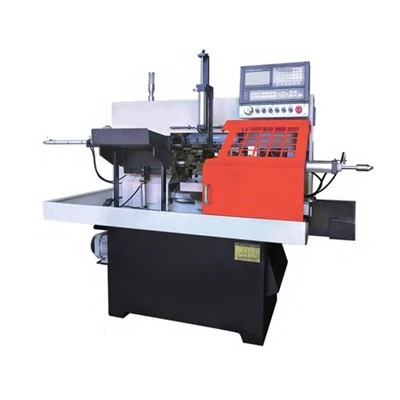
First off, let’s get one thing straight: automatic lathes aren’t set-it-and-forget-it toys. Yeah, they do most of the heavy lifting, but that doesn’t mean you can skip checking in on ‘em. I’ve had clients call me at 2 a.m. panicking ‘cause their lathe seized up, and 9 times out of 10 it was something super avoidable. So let’s start with the daily stuff—nothing fancy, just a 10-minute check at the start of every shift, ‘cause skipping this is like skipping your morning coffee: you’ll crash later.
First up, visual walkaround. Grab a flashlight (seriously, don’t skip the dark spots under the chuck and along the ways) and scan for leaks. Automatic lathes run on a mix of coolant and oil, right? A tiny coolant leak might look like no big deal until it’s dripping onto electrical components and causing shorts. Oil leaks? Even worse—those can starve bearings or gears, which is an instant death sentence. Pro tip: mark the area where coolant/oil levels should be every day, so if it drops more than a quarter inch overnight, you know something’s up.
Next, check the chuck and tooling. This is where all the action happens, so grime builds up fast. After every 10 hours of run time, pop the chuck open and wipe down the jaws with a lint-free rag—use a little of the right coolant, not just water (water leaves spots, and water + metal = rust). Also, give the tool holders a once-over. Loose tools mean wonky parts, broken inserts, and possible damage to the turret. Tighten ‘em with the right torque wrench—don’t just yank on ‘em with a pipe, that’ll strip the holder threads. I’ve seen clients do that, and we end up replacing holders for no reason ‘cause of shoddy tightening.
Then there’s the coolant system—this is the unsung hero of your automatic lathe. Coolant isn’t just to keep parts cool; it’s to keep swarf (that’s the tiny metal shavings, for the new guys) from gumming up the works. If your coolant gets murky or has a funky smell, that’s a sign bacteria’s growing, and it’s time to change it. Also, check the filter regularly—clogged filters make the pump work harder than it needs to, which wears out parts faster. I suggest checking filters every 50 hours, not just waiting till the pressure gauge spikes. If you see swarf stuck in the filter, clean it immediately—tiny bits of metal can make their way into the spindle and ruin bearings, which is way more expensive than a filter.
Now, let’s talk about weekly maintenance—stuff that takes a bit more time, but saves you tons of headaches. First, grease the ways. The ways are the long metal rails the carriage slides on, right? If they get dry, the carriage binds, and that causes uneven cuts or even crashes. Use the grease recommended by the lathe’s manual (don’t use generic grease—generic doesn’t have the right additives for high-pressure metal cutting) and follow the schedule. Most automatic lathes need greasing every 80 to 100 hours, but if you’re running non-stop, bump that up a bit. Pro move: wipe the ways clean first before applying new grease—old gritty grease acts like sandpaper, wearing down the ways faster.
Also, check the belts and chains. A lot of people ignore these ‘cause they’re not in the middle of the machine, but worn belts cause inconsistent spindle speed, which messes up part quality. Look for cracks, fraying, or slack. If you can twist a belt more than 90 degrees, it’s time to replace it. Chains? Same thing—check for rust or stiff links, and lubricate ‘em with light oil, not heavy grease (grease traps dirt). If you’re running a high-volume shop, swap belts every 6 months, even if they look okay—waiting till they snap mid-job is a terrible feeling.
Then there’s the spindle. The spindle is the heart of the lathe, so treating it right is non-negotiable. Every 200 hours, check the spindle oil level (separate from the coolant, most lathes have a dedicated sump for spindle oil). Dirty spindle oil is a quick way to ruin the spindle bearings, so change it every 500 hours, and add a oil filter to that system if your lathe doesn’t have one—minor upgrade that pays for itself fast. Also, if you notice vibration or unusual noise when the spindle’s running at high speed, don’t brush it off. That could be a bearing going bad, and if you wait till it seizes, you’re looking at a spindle rebuild, not just a bearing swap.
Now, monthly deep dives—these are the things most small shops skip, but they make a huge difference. First, inspect electrical connections. Automatic lathes have a ton of wiring for the controls, turret, and coolant pump. Over time, vibration from the machine can loosen connections, and dirt can build up on terminals, causing overheating or intermittent issues. Turn the power off, unplug the machine (don’t just hit the stop button—safety first), and go over every connection. Tighten any loose ones, and use compressed air (on low pressure, don’t blast it too hard) to blow out dust from the control panel and junction boxes.
Also, calibrate the axes. If your lathe’s X or Y axis is off, all your parts will be wrong. Most modern automatic lathes have a built-in calibration routine, so don’t skip that. If you don’t feel comfortable doing it, bring in a tech, but even doing a basic check with a test bar and dial indicator is worth the 30 minutes. I’ve had clients who thought their lathe was cutting bad parts ‘cause of a programming error, and it was just the axis being off by 0.002 inches—tiny, but enough to ruin a batch of parts.
Wait, also—let’s talk about the stuff you should never do. I’ve seen guys use the wrong coolant (like mixing water and dish soap ‘cause it’s cheaper), or overfilling oil sumps. Overfilling oil causes foaming, which means the pump is pulling air, not oil, leading to lubrication issues. Wrong coolant leads to corrosion and bacterial growth. Stick to the specs from the machine’s manual—don’t try to cut corners here. The 20 bucks you save on cheap coolant will cost you thousands in repairs later.
And here’s a big one: keep records. I know, I know, no one wants to do paperwork, but a simple logbook that tracks when you changed coolant, greased the ways, swapped belts, etc., will show you patterns. Like, if every time you run a certain type of steel, the coolant gets dirty faster, so you know to change it more often. Or if a specific bearing wears out every 1,000 hours, you can stock a spare and avoid downtime. I always tell my clients to keep a digital log too—way easier to search than a physical notebook, and you can set reminders.
Now, I can’t wrap this up without talking about when to call for help. Don’t wait till your machine’s smoking to reach out. If you notice something off—like weird noise, inconsistent cuts, or a spike in energy usage—hit us up. As an automatic lathe supplier, we don’t just sell machines; we support ‘em. We’ve got techs who know every make and model, and we can walk you through fixing small issues over the phone, or come out for bigger problems.
Wait, let’s make this real. I had a client last year who skipped checking the coolant filter for 3 months. The filter got totally clogged, so the pump pressure dropped, coolant stopped reaching the cutting zone, and he burned up 10 carbide inserts in a single run. A $20 filter would’ve saved him $200 in inserts plus the downtime. That’s the kind of mistake we want to help you avoid.
So, to recap: daily walkaround for leaks and chuck condition, weekly grease and filter checks, monthly electrical and calibration, regular oil changes, and never skip following the manual specs. Maintenance isn’t a chore—it’s insurance for your lathe.
If you’re in the market for a new automatic lathe, or need help with maintenance on your current one, we’re here to hook you up. We can walk you through choosing the right machine for your shop, share personalized maintenance tips based on your run hours and materials, and even set up a service plan to keep your gear running smooth. No hoops, no fancy contracts—just honest help, ‘cause that’s how we’ve operated since day one.
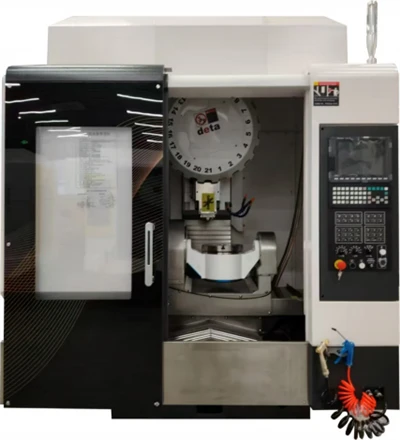
Don’t wait till your lathe crashes. Hit us up to chat about your needs, and let’s make sure your operations stay on track.
CNC Machining Center References:
- Modern Machine Shop. Maintenance Best Practices for CNC Turning Centers. 2022.
- Okuma Corporation. Automatic Lathe Operation and Maintenance Manual. 2021.
- SME. Guidelines for Precision Metalworking Equipment Maintenance. 2020.
- Haas Automation. Preventive Maintenance Schedule for Automatic Turning Centers. 2023.
Taizhou Qiyang Trading Co., Ltd.
As one of the most professional automatic lathe manufacturers and suppliers in China, we’re featured by quality products and good price. Please rest assured to buy bulk automatic lathe for sale here and get quotation from our factory. Customized orders are welcome.
Address: Zhenhai Village, Binhai Town, Wenling City, Taizhou City, Zhejiang Province
E-mail: qycncmachine@outlook.com
WebSite: https://www.qycncmachine.com/
