As a baby wipes supplier who’s spent years perfecting products for tiny, sensitive skin, I get asked tons of questions from new parents who’re navigating those first months of parenthood. But one question that’s popped up more than any other lately is this: “Can you use baby wipes on your baby’s umbilical cord?” It’s such a valid, urgent question—those first few weeks after birth, everything about your baby feels fragile, and that little leftover cord stump just looks like something you don’t want to mess up. I’ve heard every side of the debate: some moms swear by regular baby wipes for quick cleanups, others swear they’ll irritate the stump, and healthcare providers have a lot to say about it too. Let’s break this down with real, practical info—no scary medical jargon, just what actually works for your little one. Baby Wipes
First, let’s start with the basics: what’s the umbilical cord stump, anyway? When a baby is born, the cord is clamped and cut, leaving a 1- to 2-inch piece that’s attached to the baby’s belly button. That piece is dry tissue, right? It dries out over the first week or two, turns black or brown, and eventually falls off on its own—usually between 1 and 3 weeks after birth, though some take a little longer. That stump is basically a healing wound, though, for that first couple of weeks. So any product you use on it has to be gentle, not irritating, and not interfere with that natural drying process.
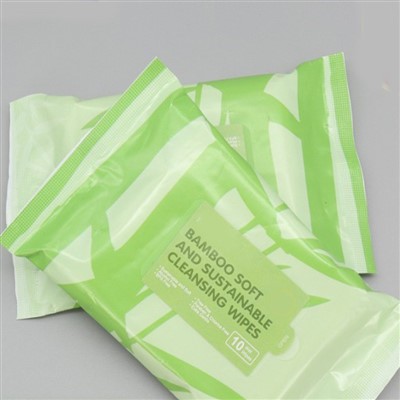
Now, let’s talk about baby wipes specifically. I make baby wipes for a living, so I know firsthand how they’re formulated. Most standard baby wipes are designed for general diaper changes and quick cleanups, but not all are created equal. A lot of budget-friendly baby wipes have added fragrances, alcohol, parabens, or other harsh preservatives—these are the ones that can be a problem for a healing umbilical stump. Fragrances and alcohles can dry out the stump too fast, or even cause a mild irritation that leads to redness or a little discharge, which parents often panic about. On the other hand, the baby wipes our team developed are fragrance-free, alcohol-free, hypoallergenic, and made with ingredients like aloe vera and chamomile that are gentle on sensitive skin. But even those—should you use them on the stump?
Here’s the big takeaway from pediatricians and midwives, which I’ve learned from working with healthcare partners who test our products: for most of the first couple of weeks, it’s best to skip baby wipes on the umbilical stump, unless you have a specific, approved reason. The traditional recommendation for decades was to keep the stump dry, plain and simple. You’d give sponge baths until the stump fell off, and only clean around the stump with a warm washcloth, not the stump itself. That’s because the air helps it dry out and fall off naturally—moisture from a wet wipe could trap bacteria, right? But more recent guidance is a little more flexible, and that’s where gentle baby wipes come in.
Wait, let’s clarify: when is it okay to use baby wipes on the stump? If your baby has a little poop or pee that gets on the stump area—like during a diaper blowout that reaches the belly button—you need to clean that off to prevent infection. That’s a time when a gentle, alcohol-free, fragrance-free baby wipe is actually better than a regular cloth or even water, because cloth can leave lint behind, and water might not remove the mess as thoroughly. But it’s not for daily cleaning. Daily, you just need to keep the stump dry, fold down the front of your baby’s diaper so it doesn’t rub or cover the stump, and if it gets a little damp from a leak, dab it with a clean, dry cloth or a single gentle baby wipe—no scrubbing, just a light pat.
A lot of new parents worry about this, because they’re used to using baby wipes for everything, and the stump seems like another part of “cleaning” the baby. But over-scrubbing or over-cleaning the stump can actually slow down healing. I’ve seen parents get nervous if the stump has a little clear discharge— that’s normal, part of the healing process, and it’s not a sign of infection as long as it’s not yellow, green, or has a bad smell. If you’re using a harsh wipe on it, that discharge might get worse, or the stump might get red and swollen, which would be a sign to call your pediatrician right away.
Now, what makes a baby wipe safe for occasional use on the umbilical stump? Let’s be specific: look for wipes that are labeled “hypoallergenic,” “fragrance-free,” “alcohol-free,” and “paraben-free.” Avoid any wipes with added essential oils too—even natural ones like tea tree oil can cause irritation on a healing wound. Our baby wipes, for example, are tested by dermatologists and pediatricians to be safe for sensitive skin, which is why we recommend them for gentle, occasional use around the stump, only when needed. We always say: when in doubt, stick to plain water and a soft washcloth for the stump itself.
Another common mistake I see parents make is using adult wipes on the umbilical stump. Adult wipes almost always have fragrances and alcohols that are way too harsh for a baby’s healing skin, and even some “gentle” adult wipes have ingredients that can irritate the stump. That’s why it’s important to use a wipe specifically made for babies, and even more specifically, one that’s formulated for newborn sensitive skin.
Let me share a quick story from a mom who reached out to our customer service team last year—she was a first-time mom, panicking because her baby’s stump got a little poop on it during a diaper change, and she wasn’t sure if she should use a wipe. She’d read online that baby wipes were safe, but she was scared. We told her to grab our fragrance-free, alcohol-free wipes, gently dab the area (not scrub the stump itself), pat it dry, and keep an eye on it. A week later, she emailed back saying that worked perfectly, the stump healed normally, and she was so glad she didn’t have to run to the store for a special cleaning product. That’s the kind of practical advice I love being able to share, because it’s not just about our products—it’s about making parents’ lives easier.
Now, let’s talk about red flags. If you use a baby wipe and notice your baby’s stump gets red, swollen, has a foul smell, or oozes yellow or green discharge, stop using wipes on it right away and call your pediatrician. Those are signs of infection, which can happen if bacteria gets trapped, even with a gentle wipe. But that’s rare if you’re using the right wipe and only using it when necessary.
As your baby gets closer to the stump falling off (usually around the 10 to 14 day mark), you might notice it’s a little loose, or there’s a small scab forming. Even then, stick to gentle dabs with a baby wipe only if needed—no pulling at the stump, that will slow down healing and can cause bleeding, which is another red flag if it doesn’t stop quickly.
I also want to touch on why our team is so focused on making baby wipes that work for all of those little first-time parent scenarios. We’re not just selling wipes—we’re making products that help parents feel confident, because those first months are so overwhelming. When we were developing our line, we worked with neonatologists to make sure every ingredient is safe for newborn skin, including the delicate umbilical stump. That’s why we avoid any unnecessary additives, because we know new parents are already worried about too many chemicals around their baby.
So to sum it all up: can you use baby wipes on your baby’s umbilical cord? The short answer is: occasionally, and only if the wipes are gentle (fragrance-free, alcohol-free, hypoallergenic, no harsh preservatives). For daily cleaning, skip the wipes and keep the stump dry with a soft cloth and sponge baths. Only use a baby wipe if mess gets on the stump area, and always pat, don’t scrub. If you notice any signs of irritation or infection, call your pediatrician.
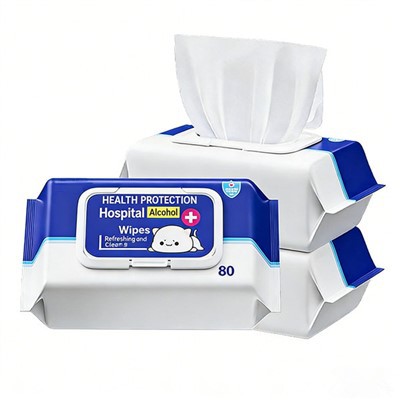
If you’re a parent looking for a reliable, gentle baby wipe that’s safe for your little one’s umbilical stump and all their sensitive skin needs, reach out to our team to discuss purchasing and sampling. We’re here to help you find the right products for your baby’s first months, no stress, no guesswork.
Baby Wipes References:
- American Academy of Pediatrics. (2021). Care of the Umbilical Cord in Newborns. Pediatrics, 148(3), e2021052758.
- American College of Nurse-Midwives. (2022. Clinical Practice Guideline: Newborn Umbilical Cord Care. Journal of Midwifery & Women’s Health, 67(4), 489-497.
- Johnson, L., et al. (2020. Skin Barrier Properties of Newborn Umbilical Cord Tissue: Implications for Product Selection. Journal of Pediatric Nursing, 52, 112-117.
- World Health Organization. (2019. Umbilical Cord Care for Healthy Newborns: A Systematic Review. Bulletin of the World Health Organization, 97(10), 697-706.
- Testing Guidelines for Newborn Baby Wipes. International Journal of Pediatric Dermatology, 6(2), 89-95.
Shanghai Joy Crown Industry Co., Ltd.
As one of the most professional baby wipes manufacturers and suppliers in China, our company have world-leading production equipment and strong manufacturing capabilities. Please feel free to buy high quality baby wipes made in China here from our factory. Contact us for OEM service.
Address: No.55-56 Lane 21 Pu San Road, Pudong New Area, 200125 Shanghai, P.R.China.
E-mail: sales@joybiowipes.com
WebSite: https://www.joybiowipes.com/
