If you’ve ever stood in your garage or utility room staring at that dull metal box on the wall, wondering why your neighbor’s looks a little bigger or smaller than yours, you’re not alone. As a supplier of electricity meter boxes, I get this question all the time—whether it’s a homeowner updating their electrical setup, a builder outfitting a new home, or a handyman replacing an old, damaged box. Picking the right size isn’t just about fitting the box into its designated spot; it’s about safety, compliance, and making sure your electrical system runs smoothly for years. Let’s break this down in plain, practical terms, no confusing jargon, just what you need to know to make the right call. Electricity Meter Box
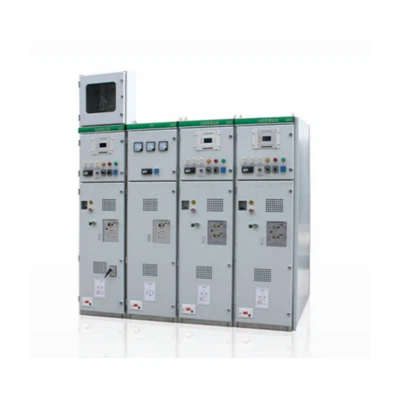
First, let’s start with the basics: what an electricity meter box actually does. It’s the protective enclosure that houses your utility’s electricity meter, plus all the necessary connections to link the meter to your home’s internal wiring. Without it, the meter and its wiring are exposed to dust, moisture, physical damage from tools or pests, and even accidental contact—all of which are big safety risks. And size is non-negotiable here; pick one too small, and you’ll struggle to fit the meter and wiring without cramming things so tight that wires fray or overheat. Pick one too large, and you’re wasting money on extra space you’ll never use, plus it might stick awkwardly out from the wall, ruining your home’s exterior or utility room layout.
So, how do you figure out what size you need? The first and most critical factor is your home’s total electrical load. This is the amount of power your home uses at any given time, measured in amps. For most modern homes, electrical loads fall into a few standard categories: 100 amp, 200 amp, and 400 amp. Wait, but why does that matter for the meter box size? The meter itself is rated for a specific amp capacity, and the box has to accommodate that meter plus the space needed for wiring, circuit breakers (if your box includes them), and any future upgrades.
Let’s go through each amp category to make it concrete. A 100 amp meter box is the smallest common size, typically used in older homes or smaller properties with lower power needs—think a 1,000 to 1,500 square foot home with basic appliances, no electric car, and minimal heating or cooling. These boxes are usually around 12 inches wide, 16 inches tall, and 5 inches deep, give or take an inch depending on the manufacturer. They’re compact enough to fit in most standard utility closet spaces or on exterior walls near the street.
Then there’s the 200 amp meter box, which is the new standard for most new builds and renovations. A 2,000 to 3,000 square foot home with multiple appliances, a central air conditioner, a dryer, and maybe a small electric stove will need this size. These boxes are a bit bigger, usually 14 inches wide, 20 inches tall, and 6 inches deep. The extra space is for a larger meter and enough room to run wiring that can handle 200 amps, which is double the capacity of a 100 amp setup. These are the most popular boxes we sell because most homes these days are moving away from 100 amp to handle modern power demands.
For larger homes—3,000 square feet or more—homes with electric car chargers, in-floor heating, or multiple AC units, you’ll need a 400 amp meter box. These are even larger, often 18 inches wide, 24 inches tall, and 7 inches deep. Some commercial properties or multi-unit residential buildings might also need this size, since they have much higher power needs across multiple units.
Wait, but hold on—amp rating isn’t the only thing. You also have to consider the type of meter you’re installing. There are two main types now: traditional analog meters and smart meters. Smart meters are becoming more common because they let utilities track usage remotely, and they’re often a bit bulkier than analog meters. That means if you’re switching from an analog to a smart meter, you might need a slightly larger box than you had before, even if your amp load stays the same. I’ve seen this come up a lot—people old enough to have analog meters in 100 amp boxes think they can just swap the meter, but the smart model is wider, and they end up having to replace the box anyway. It’s a small detail that’s easy to miss, so always check with your local utility company what type of meter they’ll be installing—they can tell you the exact dimensions you need to accommodate.
Another key consideration is installation location and space. Meter boxes go in two main places: exterior wall (usually near the front of the house, close to the street where the utility lines connect) or interior utility room/garage. If you’re installing it on an exterior wall, you have to make sure there’s enough clearance around it for inspections and future maintenance. Local building codes usually require at least 3 feet of clearance in front of the box, and no obstructions above or below. But also, the box itself can’t protrude too far from the wall—if you pick a deep box for a narrow exterior space, it might stick out so much that it looks unsightly, or even violate local setback rules. If you’re installing it inside, you’ll need to measure the spot where it’s going to go—like the wall in your garage—and make sure the box fits without blocking doors, shelves, or other utilities.
Don’t forget about weatherproofing if it’s an exterior installation. Meter boxes that go outside have to be rated for outdoor use, meaning they’re made of materials that resist rain, snow, UV rays, and temperature changes. But even weatherproof boxes come in different sizes, so the size isn’t just about fitting the meter—it’s about making sure the box has the right level of protection while still being the right dimensions. For example, an outdoor 200 amp box will have a slightly deeper enclosure than an indoor 200 amp box to add that extra layer of weather resistance, so you can’t just swap an indoor box for an outdoor one even if the amp rating is the same.
What about older homes? If you’re replacing a meter box in a home that’s 50 or 60 years old, you might run into some legacy issues. A lot of older homes have 60 amp meter boxes, which are way too small for any modern power needs. If you’re upgrading your appliances to include electric heating or a Tesla charger, you’ll need to go up to 200 amp, but that means you might have to replace not just the meter box, but also the wiring from the street to your home, and the main breaker panel inside. That’s a big project, but the meter box size is the starting point. I always tell customers not to skimp here—if you plan to stay in the home long-term, going from 100 amp to 200 amp now will save you from having to redo this work again in 10 or 15 years when your power needs grow.
Now, let’s talk about common mistakes I see customers make all the time. First, guessing the amp load instead of calculating it. It’s easy to think “my house is small, so 100 amp is fine,” but if you have a window AC, a dishwasher, a microwave, and a laundry room all running at the same time, that’s already a big chunk of power. A simple way to calculate your total load is to add up the wattage of all your major appliances (oven, dryer, AC, water heater) and divide by voltage (usually 120 or 240, but most major appliances use 240). If that number is over 100, you need a 200 amp box.
Another mistake is ignoring local code requirements. Every area has different rules for meter box size, clearance, and placement. Some places require a specific minimum size for homes over a certain square footage, or mandate that outdoor boxes be mounted at a certain height (usually 4 to 6 feet off the ground). Don’t just buy a box that looks right—check with your local building department before you order, or ask your electrician to confirm. I’ve had customers order a box that was too small because they didn’t check their area’s rules, and they had to return it, which added time and cost to their project.
Then there’s buying a box that’s too large. It’s tempting to get a bigger box “just in case” you add more appliances later, but bigger boxes are more expensive, and if you don’t have the space for them, they’ll look messy or even get damaged because they’re not properly secured. For example, if you have a narrow exterior wall space, a 400 amp box might stick out so far that it’s at risk of being hit by a lawnmower or bike, which defeats the whole purpose of the protective enclosure. It’s better to get a box that’s the right size for your current needs, and plan for future upgrades by leaving space inside the main breaker panel (if you have one) rather than buying an oversized meter box.
As someone who’s been in the electricity meter box industry for over a decade, I can tell you that the best way to get the right size is to work through a few simple steps. First, confirm your home’s electrical load with a licensed electrician—they’ll have the tools and knowledge to calculate exactly what you need, instead of you guessing. Second, check what type of meter your local utility requires (smart vs. analog) and its dimensions, because that will directly impact the box size. Third, measure your installation space, whether it’s interior or exterior, to make sure the box fits without clearance issues. Fourth, double-check local building codes to avoid any costly surprises.
Once you’ve done all that, you’ll be ready to pick the right box. Our range of meter boxes covers all standard sizes—from 100 amp compact models for small homes to 400 amp heavy-duty boxes for larger properties—all made with durable, weather-resistant materials that meet industry safety standards. We also carry smart meter-compatible boxes, so if you’re upgrading your meter at the same time, you won’t have to worry about fitting issues.
If you’re still not sure which size is right for your project, or you have questions about installation, materials, or compliance, we’re here to help. We work with homeowners, builders, and electricians across the country, and we can provide guidance tailored to your specific needs. Don’t risk installing the wrong size meter box—reach out to our team today to discuss your requirements and get a customized solution for your property.
Step Up Transformer References:
- National Electrical Manufacturers Association (NEMA). NEMA Standard 250: Enclosures for Electrical Equipment, 2022.
- International Residential Code (IRC). Chapter 38: Electrical Systems, 2021.
- Edison Electric Institute (EEI). Smart Meter Deployment Guidelines, 2023.
- Electrical Safety Foundation International (ESFI). Home Electrical Upgrades Guide, 2022.
Huachi Electric Co., Ltd.
We’re well-known as one of the leading electricity meter box manufacturers in China, featured by quality products and good service. Please rest assured to buy customized electricity meter box made in China here from our factory. Contact us for more details.
Address: Plastic Park, Tongyu Street, Luqiao District, Taizhou City, Zhejiang Province
E-mail: HCDQ2026@163.com
WebSite: https://www.huachi-electric.com/
