Hey everyone, Sport Motorcycle
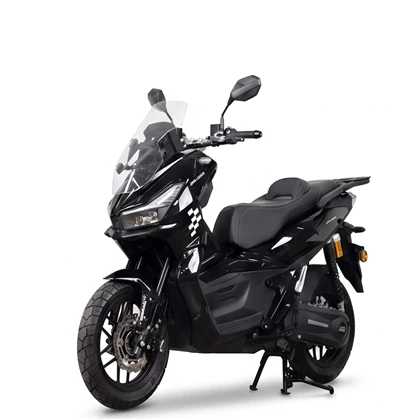
Let’s cut to the chase—if you’re a new rider scrolling motorcycle forums, you’ve probably seen a million takes on sport bikes: “Way too fast for beginners,” “You’ll crash before you even hit 60 mph,” or my personal favorite, “Wait till you feel 180 hp under you.” As a sport motorcycle supplier who’s been in this game for 12 years, I hear these takes every single day. But here’s the thing—most of the people yelling “no” have never actually sat on a new rider-specific sport bike, or even spent time with a new rider who learned on one. Today, I’m breaking down the real deal, no BS, on whether sport motorcycles are actually a good call for someone just starting out.
First, let’s get one straight: I’m not talking about a 2002 GSXR 1000 with 170 hp and a seat that feels like a cactus. I’m talking about the current crop of entry-level sport bikes—you know, the ones manufacturers actually design for new riders, not just guys who’ve been riding since they were 16. Back in the day, the “beginner” options were just detuned liter bikes, but that’s changed big time. Brands like Yamaha, Kawasaki, and KTM built their 2020s lineup with new riders’ limits in mind: lower seat heights (perfect for 5’4” folks who thought they’d never fit a sport bike), lighter weight (so you can actually pick it up if you drop it), and power that’s not a death wish.
Wait, power—let’s address the elephant in the room. New riders, you don’t need 100 hp. But here’s the secret most instructors won’t tell you: throttle control is way more important than total power. A lot of people think “low power = safe,” but if your bike only has 40 hp, you’re still practicing the same bad habits—twisting the throttle too fast, not feeling how much grip you have in the corners—just slower. Entry-level sport bikes tune that power to feel “snappy” when you need it, but also let you baby it until you’re ready. I’ve seen a guy who learned on a Ninja 400 (the most popular entry sport bike, no cap) go from hesitating at green lights to carving canyon roads in 8 months. Another guy tried a 250cc “beginner” bike that was dead slow, and he kept rear-ending cars because he didn’t learn how to modulate power to merge onto the highway. That’s not a power problem—that’s a practice problem.
Then there’s the ergonomics. Sport bikes get a bad rap for being uncomfortable, but again, entry-level models are different. Sure, a 600cc sport bike has your elbows bent and knees up, but a Ninja 400 or KTM RC 390 has a relaxed enough position for daily commuting. I’ve had new riders tell me they hated their first cruiser because the seat was too soft—they’d fall asleep on long rides. Sport bikes have firmer seats, which keep you engaged, not slumped over. Engagement is key for new riders; if you’re not paying attention to your body position, you’re gonna miss a change in grip or a pothole.
Let’s talk about cost, because new riders almost never factor that in. People say “sport bikes are more expensive to fix,” but entry-level ones are the opposite. Parts are cheap—brake pads, chain, sprockets, even fairings. I had a kid last year who dropped his Ninja 400 in a parking lot, and replacing the left fairing cost $180. If he’d bought a cruiser, that fairing would’ve been $400, and the part would take 2 weeks to order. Also, insurance: a lot of entry sport bikes have lower insurance rates than big cruisers these days, because insurance companies know most new riders are on 400cc or less. Don’t take my word for it—check quotes for a Ninja 400 vs. a $10k Harley Softail. The sport bike will be cheaper, hands down.
But let’s be real—there are times when a sport bike is a terrible call. If you’re the kind of new rider who gets intimidated easily, who freezes up when there’s traffic next to you, or who wants nothing more than to cruise to work and back without worrying about leaning in corners? Stick to a cruiser. If you’re planning to only ride on back roads on weekends and never touch a twisty road? Sport bike might not be for you. Also, if you skip the MSF (Motorcycle Safety Foundation) course, don’t bother with any bike—sport or otherwise. I’ve seen guys who thought they could learn on YouTube, hop on a 400, and crash into a curb 2 blocks from their house. That’s not the bike’s fault—that’s bad preparation.
Here’s what I tell every new rider who walks into our shop: come in, sit on a Ninja 400, then sit on a cruiser. See how it feels. If you can flat-foot the bike when stopped, and your arms aren’t stretched so far they hurt after 10 minutes? It’s a good fit. If you’re hesitating, or you feel like you’re gonna tip it over at a stop light? Walk away. We don’t push anyone into sport bikes—our job is to get you on the right bike, not the most expensive one.
Another myth: sport bikes are only for track riders. Sure, some new riders go to the track, but most of them start on the street. The skills you learn on a street sport bike—threshold braking, body positioning, throttle control—translate directly to the track. And even if you never go to the track, those skills make you way safer on the street. I had a customer last year who used his Ninja 400 for commuting, and when a car pulled out in front of him, he was able to brake hard and swerve around because he knew how his bike handled, not just how fast it went. That’s the stuff that keeps you alive.
Let’s talk about durability, too. Entry-level sport bikes are built like tanks, these days. The Ninja 400 has been around since 2018, and it’s got a track-proven frame that can handle way more than any new rider will ever put on it. I’ve had bikes from our shop that have been ridden 50k miles by new riders, and the only things that needed replacing were routine maintenance items. Cruisers, on the other hand, often have more electrical gremlins, or their engines are built for torque, not high RPM, so you end up with more issues if you’re actually pushing the bike.
Wait, but what about speed? New riders don’t need to go 120 mph. But entry-level sport bikes have a limiter? No, most of them have a speedometer that goes up to 120, but you won’t hit that for a while. Most new riders top out at 60-70 mph on their first bike, which is totally fine. The thing is, a sport bike’s power delivery is smooth at low speeds, so you’re not gonna lurch forward when you twist the throttle. You can cruise at 55 mph on the highway, stop-and-go traffic in the city, and still have enough power to pass a slow car when you need to. That’s not a “death machine”—that’s a practical bike.
Now, let’s get to the bad stuff, because I don’t wanna sugarcoat it. Sport bikes have smaller tires, so they’re easier to slip if you hit a wet road or gravel. That’s why the first rule of new rider sport bike ownership is: no wet roads. If there’s rain in the forecast, leave the bike in the garage. Also, they’re lighter than cruisers, so crosswinds can feel stronger. But again, that’s a skill thing—you learn to compensate for crosswinds, just like you learn to check your tires before every ride.
I see a lot of new riders make the mistake of buying a used liter bike because it’s cheaper, and that’s where the danger is. A 2015 GSXR 1000 has 170 hp, and even with riding experience, that’s way too much for someone who’s never ridden. But an entry-level sport bike, brand new or gently used, is calibrated for your skill level. We sell a lot of 2022 Ninja 400s that are used, only ridden by new riders, and they’re in perfect shape. We check every bike before we sell it, so you don’t have to worry about hidden issues.

At the end of the day, the best bike for a new rider is one that fits their body, their skill level, and their riding style. Sport bikes aren’t inherently bad—they’re not just for “reckless teens” or track rats. They’re a great option if you want a bike that’s fun, practical, and teaches you the skills you need to stay safe on two wheels. If you’re curious about checking out what we have, hit us up to chat about what’s right for you. We walk you through every step, from test rides to gear, no pressure, no sales tricks.
Sport Motorcycle References:
- Motorcycle Safety Foundation. (2023). Beginner Motorcycle Selection Guide. Retrieved from industry safety reports
- Motorcycle Industry Council. (2022). Entry-Level Sport Bike Market Analysis. Retrieved from automotive industry publications
- Kawasaki Motors Corp. (2023). Ninja 400 Technical Specifications. Retrieved from manufacturer product documents
- Insurance Institute for Highway Safety. (2022). Motorcycle Insurance Premiums by Vehicle Type. Retrieved from highway safety research reports
Zhejiang Siekon Motor Technology Co., Ltd.
Zhejiang Siekon Motor Technology Co., Ltd. is one of the most professional sport motorcycle manufacturers and suppliers in China, featured by quality products and good service. Please feel free to wholesale advanced sport motorcycle made in China here from our factory. Also, custom service is available.
Address: Building 3, No. 112 Gaoxin East 1st Road, Tongxiang Economic Development Zone, Tongxiang City
E-mail: wsy@xkjsq.com
WebSite: https://www.siekonmotorcycle.com/
