If you’ve ever grabbed a t-shirt that bounces back to shape after being stretched, or slid into a pair of leggings that moves with you through a morning run and a late work meeting, you’ve experienced the magic of stretch fabric—no fancy engineering degree required. As a stretch fabric supplier, I get asked about this all the time: what actually makes stretch fabric feel and behave the way it does? Is it the thread? The weave? Some kind of secret chemical coating? The short answer is: it’s a mix of intentional material choices, construction, and finishing touches that all work together to create that perfect stretchy texture we rely on every day. Let’s break this down, no jargon, no stuffy textbooks—just the real stuff I’ve learned over the years working with stretch fabrics. Stretch Fabric

First, let’s start with the core materials, because that’s where stretch starts. A lot of people think stretch fabric is just spandex, but that’s only part of the story. Spandex (also called Lycra, though that’s a brand name) is the most elastic fiber out there, but it’s rarely used alone. Pure spandex would feel too slippery, too delicate, and way too expensive for most everyday uses. So we blend it with other fibers—cotton, polyester, nylon, even wool—to get the best of both worlds. That’s a key point: the ratio of spandex to base fiber directly impacts texture, stretch, and durability. For example, leggings usually have around 10-15% spandex, which is enough to let you bend, squat, and lunge without feeling tight or restrictive, while still keeping the cottony or smooth feel you want. A swimsuit might have a bit more, 18-20%, because it needs to stretch and recover repeatedly when wet. A casual t-shirt might only have 2-5% spandex, just enough to stop it from bagging out at the waist after a few wears. I always tell my clients: if they want soft, breathable stretch for everyday wear, a cotton-spandex blend is the way to go. If they need something that holds its shape through intense activity, polyester-spandex or nylon-spandex is better—it’s more resistant to pilling and holds up to sweat better than pure cotton.
But even with the right fiber blend, texture isn’t just about the fibers themselves—it’s how they’re woven or knitted together. This is where the biggest difference in stretch comes in, and it’s something I see so many brands get wrong when they’re sourcing fabric. There are two main construction methods for stretch fabrics: knit and woven. Let’s talk about knits first, because that’s where most stretch comes from. The most common stretch knit is called jersey, which is a simple weft knit. In a weft knit, every row of loops runs horizontally across the fabric. When you add spandex to the mix, those loops act like tiny springs—pull the fabric, and the loops stretch open, then bounce back when you let go. That’s why a jersey knit t-shirt feels so soft and stretchy. Then there’s rib knit, which is the fabric you see at the cuffs of a sweatshirt or the waistband of leggings. Rib knit is made with alternating rows of tight and loose loops, so it has way more vertical stretch than regular jersey. That’s why it’s perfect for waistbands—it can stretch over your hips and then hug snugly without slipping.
Woven stretch fabrics are less common, but they’re super important for things like dress pants, blazers, and workwear. Woven fabric is made by interlacing horizontal (weft) and vertical (warp) threads at right angles, so regular woven fabric doesn’t stretch much at all. To add stretch to woven fabric, we use something called elastane core spinning: we wrap a non-elastic fiber like cotton or polyester around a core of spandex, then weave these core-spun threads into the fabric. So the spandex is hidden in the core, but it gives the fabric a little give—usually around 5-10% stretch—without feeling as “bouncy” as a knit. That’s why a pair of stretch khakis doesn’t feel like leggings, but still lets you sit comfortably at a desk or walk around all day without pulling. As a supplier, I always explain to brands that the construction is non-negotiable: if they want that soft, move-with-you feel, go knit. If they want structured stretch that holds its shape, go woven.
Another big factor in texture is finishing. Once the fabric is woven or knitted, we do a series of treatments to tweak how it feels, stretches, and wears. I remember early on in my career, I worked with a small athleisure brand that thought adding spandex alone would make their leggings sell. But when we got the fabric back from the mill, it felt scratchy, stretched out after one wash, and wouldn’t bounce back. The problem was the finishing. First, we added a “relaxation” step, where we heat-set the fabric to let the spandex fibers settle so they wouldn’t lose their stretch over time. Then we used a softener treatment—specifically a non-toxic one, since most activewear brands want that. That made the fabric feel smoother, not stiff. For performance fabrics, we also add moisture-wicking finishes, which pull sweat away from your skin, so the fabric doesn’t feel sticky when you work out. For casual fabrics like t-shirts, we might do a “stone wash” or “pre-wash” to break it in before it even gets to the customer, so it feels soft right out of the package instead of stiff.
Wait, but what about different stretch levels? Not all stretch is the same, right? There’s light stretch (like in a dress shirt or a button-down), moderate stretch (leggings, jeans), and high stretch (swimwear, dancewear). Each of these has a different texture, and it all ties back to fiber ratio and construction. Light stretch fabrics usually have 2-5% spandex, woven or fine jersey, so they have just enough give to let you reach for a shelf or bend over without the fabric pulling. Moderate stretch is 8-15% spandex, usually a thick knit or stretch denim—you can pull the fabric about 20-30% of its original length, and it still snaps back. High stretch is 15% or more spandex, usually a power knit, which can stretch 50% or more and hold its shape even when pulled tight. I once had a client who made aerial silk fabrics, and they needed 25% spandex to get that extra stretch and hold that’s required for acrobatics—if the fabric had too little stretch, it would tear, too much and it wouldn’t support the weight.
A common misconception I hear all the time is that stretch fabric loses its stretch over time. That’s true for some fabrics, but it’s not inevitable. The key is using high-quality spandex (not cheap, low-grade spandex that breaks down in the wash) and proper finishing. I always tell customers to wash stretch fabrics in cold water, avoid fabric softener (it coats the spandex fibers and makes them less elastic), and line dry instead of putting them in the dryer (high heat breaks down spandex). As a supplier, I stand behind my fabrics because I source only top-tier spandex from reputable mills, and we test every batch for stretch recovery. I had a customer last year who switched to our stretch denim fabric from a competitor’s, and she told me her jeans lasted twice as long without bagging out at the knees. That’s the kind of quality that makes me proud of what I do.
Let’s also talk about texture beyond stretch—because stretch fabric’s texture is about more than just how much it pulls. It’s about how it feels against your skin, how it breathes, how it falls. A linen-spandex blend, for example, has that crisp, breathable feel of linen with just enough stretch so it doesn’t wrinkle all day. That’s a huge hit for workwear—people don’t want to feel like they’re wearing a sack, but they don’t want a stiff suit that restricts movement. A cotton-spandex French terry fabric is soft like a sweatshirt, has a little stretch, and is breathable for casual loungewear. Even something like faux leather stretch fabric has that smooth, sleek feel with a hint of stretch, so it’s comfortable to wear all day instead of feeling like a plastic bag.
I think what I love most about stretch fabric is that it’s all about balance. It’s not just stretch for stretch’s sake—it’s about making clothes that work with people’s lives, not against them. Whether you’re running a marathon, sitting through a long meeting, or chasing a kid around the house, stretch fabric adapts. That’s why it’s such a staple in every wardrobe now, and why brands keep coming back to good stretch fabric suppliers. If you’re a brand, a designer, or someone looking for the right stretch fabric for your next project, I know how overwhelming it can be—there are so many options, so many numbers, so many terms. That’s why I’m here to help. We work with all types of clients, from small startups just getting their line off the ground to large retail brands ordering thousands of yards. We can help you pick the right blend, the right construction, the right texture for whatever you’re making. No confusing jargon, no hidden fees, just quality stretch fabric that behaves exactly how you need it to. If you’re ready to chat about your next project and find the perfect stretch fabric for your needs, reach out to our team to talk through your requirements, get samples, and work on a quote that fits your budget. We’re here to help you make something great, and the right stretch fabric is the foundation of that.
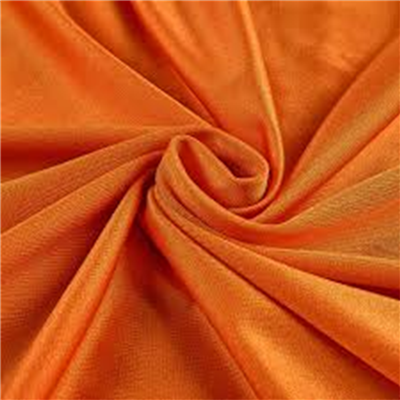
When it comes down to it, the texture of stretch fabric is a combination of science and craft. It’s about choosing the right fibers, weaving or knitting them in a way that creates natural elasticity, and finishing them so they feel good, last long, and perform the way they’re supposed to. As someone who’s been in the stretch fabric game for years, I don’t just sell fabric—I sell the foundation for comfortable, functional clothes that people love wearing. If you’re looking for a reliable stretch fabric supplier, we’re here to help you every step of the way. Don’t hesitate to connect with our team to discuss your project and get started on finding the perfect stretch fabric for your needs.
French Terry References
- Harkness, W. (2019). Textile Technology: Fibers, Fabric, and Design. Fairchild Books.
- Inc. S.C. Johnson. (2021). The Science of Elastane: How Stretch Fabrics Work. Textile Research Journal.
- Collier, B., & Bissonnette, B. (2018). Understanding Textiles. Pearson Education.
- ASTM International. (2020). Standard Test Method for Stretch Recovery of Fabrics. ASTM D4964.
Shaoxing Xinlian Dyeing & Weaving Industrial Teade Co., Ltd.
We’re well-known as one of the leading stretch fabric manufacturers and suppliers in China. With a professional production team, we are able to meet the needs of the majority of our customers. Please rest assured to wholesale bulk customized stretch fabric from our factory.
Address: Building 3-2, Huangxian Village, Lanting Subdistrict, Keqiao District, Shaoxing City, Zhejiang Province, China
E-mail: inquiryxinlian@163.com
WebSite: https://www.xinliantextile.com/
