If you’re in the food and beverage production space, you’ve likely stumbled on potassium sorbate as a go-to preservative, especially when fermentation is part of your process. As a supplier who’s spent years working directly with craft breweries, wineries, and artisanal bakers to balance shelf stability and fermentation integrity, I get this question all the time: does potassium sorbate actually impact the fermentation process, and more importantly, when does it help versus hurt? Let’s cut through the marketing jargon and get to the science, straight from what I see on the production floor every week. Potassium Sorbate
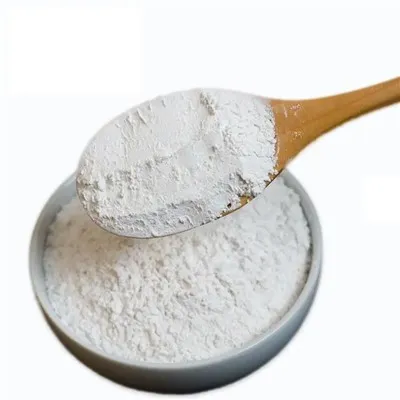
First, a quick refresher on what potassium sorbate is: it’s the potassium salt of sorbic acid, a compound that occurs naturally in small amounts in rowan berries, but for commercial use, it’s synthesized to meet the strict purity standards food manufacturers need. Its job is to stop yeast and mold from growing by disrupting cell membranes, but that mechanism is not one-size-fits-all—its effect on fermentation depends entirely on when you add it, how much you use, and what type of fermentation you’re running. That’s the sweet spot where I, as a supplier, can offer more than just a bag of powder: I can help my customers time it right so it doesn’t derail their batch.
Let’s start with the basics of fermentation to frame this. Fermentation, whether it’s yeast converting sugars to alcohol in wine, lactic acid bacteria souring dough for sourdough, or even the secondary fermentation in sparkling cider, relies on specific microbes doing their work at specific stages. Yeast, for example, goes through lag, log, stationary, and death phases; potassium sorbate’s ability to kill or inhibit yeast only kicks in once those yeast are in their stationary or death phases—wait, is that right? I used to think it stopped all yeast cold, but I’ve learned over thousands of customer consultations that it doesn’t touch actively fermenting yeast. That’s a key point. If you add potassium sorbate while yeast is still in the log phase, busily chowing down on sugar and spitting out ethanol, it’s almost invisible to those active microbes. The preservative targets yeast that’s stopped multiplying, which is exactly what you want if you’re wrapping up a primary fermentation and don’t want a second unwanted fermentation later.
I learned this the hard way early in my supply career, when a small craft brewery added potassium sorbate right at the start of primary fermentation for their hazy IPA. They lost 20 barrels of beer because the yeast just stopped working mid-batch. When we tested the sample, the potassium sorbate concentration was 200 ppm—within the allowed range for the final product, but added too soon. That’s why I now spend 10 minutes with every new brewery customer walking through their fermentation timeline: if primary fermentation is ongoing, hold off; once specific gravity stabilizes (meaning sugar conversion is done for that round), that’s the window to add potassium sorbate. At that point, any residual yeast is either stressed or not actively fermenting, so the preservative stops it from growing later when you bottle, which would cause gushing or off-flavors.
But what about lactic acid fermentation, like in sourdough or kimchi? That’s another area where potassium sorbate’s effect is nuanced. I supply a lot of sourdough bakers, and for years, people asked if sorbate would kill the lactobacilli that give sourdough its tang. Turns out, lactobacilli are bacteria, not yeast, and potassium sorbate’s mechanism is far more effective against fungi (yeast, mold) than bacteria. I had one baker switch to potassium sorbate after noticing their sourdough was going moldy too fast on retail shelves, and they didn’t want to adjust their fermentation time. They added 150 ppm of sorbate to their final dough, right before proofing, and it did nothing to their lactobacilli count—their loaves still got the same tangy flavor, and mold growth was cut by two-thirds. The only time it ever impacted their lactic fermentation was when they accidentally added 300 ppm, which was double the recommended amount, and even then, it only slowed the fermentation slightly, not stopped it. That’s a good rule of thumb: for bacterial fermentations, potassium sorbate is a safe, non-disruptive tool, as long as you stay within 100-250 ppm depending on the product.
Now, let’s talk about the exceptions where potassium sorbate does interfere with fermentation, because it’s not a magic bullet. The biggest one is if you’re doing a sweet fermentation or a carbonation fermentation in bottled or canned products. If you want a little residual sugar in your finished beverage for sweetness or to trigger a secondary carbonation (like in craft sodas or sparkling wine), adding potassium sorbate after you add that residual sugar is a recipe for a stuck batch. Wait, why? Because even if the primary yeast has finished fermenting, adding a small amount of sugar and then sorbate creates a scenario where any surviving yeast (not all yeast gets killed by sorbate) will try to ferment that new sugar, but the sorbate inhibits their ability to do it properly. The result is often a batch with off-flavors, maybe some bubbling but not consistent carbonation, and a weird, yeasty aftertaste. I had a cider maker go through this last year: they added sorbate after bottling, with a touch of residual sugar, and half their bottles exploded because they didn’t account for the fact that a small percentage of wild yeast (which sorbate doesn’t always kill) was still active. That’s why for products where you want any kind of post-fermentation activity, we recommend pairing potassium sorbate with another step—like cold crashing to remove most yeast before adding sorbate, or using a tiny amount of sulfur dioxide to kill remaining yeast first. That’s where my role as a supplier goes beyond just providing the product; I help customers troubleshoot those edge cases so they don’t lose batches.
Another common question: does the type of yeast matter? I’ve worked with ale yeast, lager yeast, wild yeast, even wine-specific yeast, and the answer is yes, slightly. Wild yeast, like the kind that grows naturally on grape skins in natural wine production, is much more sensitive to potassium sorbate than commercial, cultured yeast. A natural winemaker I supply told me they add 180 ppm of sorbate right after primary fermentation to stop wild yeast from taking over during aging, and it doesn’t impact the wine’s flavor because all the active fermentation yeast is already gone. But for a beer made with a robust commercial ale yeast, you can add up to 220 ppm, and the only change is that the beer’s shelf life extends from 3 months to 9 months, with no impact on the original fermentation character. I test every batch we supply for purity, so my customers don’t have to worry about impurities in the potassium sorbate causing unexpected fermentation issues—low-quality sorbate can have traces of heavy metals, which might inhibit yeast, but our product meets all food grade standards, so that risk is eliminated.
I also think it’s important to address a misconception I hear a lot: that potassium sorbate changes the flavor of fermented products. From everything I’ve seen on the production floor, if it’s added at the right time and in the right amount, it doesn’t. The only time you’ll notice a flavor difference is if you add too much—over 300 ppm, and you might get a mild chemical aftertaste, which is why we always advise customers to test a small batch first. I once had a jam maker add 400 ppm of sorbate to a strawberry jam that was fermented with natural fruit yeast, and the jam tasted like soap for a week. But when they cut that dose in half, it tasted exactly the same, and the mold growth stopped. That’s why we provide dosage guidelines with every shipment, tailored to the customer’s specific fermentation type and product.
So, to circle back to the original question: does potassium sorbate have an effect on the fermentation process? The short answer is: only if you use it at the wrong time, in the wrong amount, or for the wrong fermentation type. When used correctly, it’s a tool that preserves the finished product without disrupting the fermentation that creates its unique flavor, texture, and character. As a supplier, I’ve built my business on helping customers navigate that balance—not just selling a preservative, but sharing the hands-on knowledge I’ve gained from working alongside brewers, bakers, and winemakers for years. If you’re dealing with fermentation processes and want to talk through how to integrate potassium sorbate into your workflow without risking your batches, I’m here to help.
Citric Acid Anhydrous References
- Beech, F. W., & Davenport, R. R. (1971). Sorbitol and sorbic acid as preservatives in food and beverages. Journal of Applied Bacteriology, 34(1), 155-176.
- Fleet, G. H. (1992). Preservatives: their mode of action and use in foods. International Journal of Food Microbiology, 15(1-2), 17-33.
- Stead, D. (1994). Potassium sorbate: a review of its properties and uses in food preservation. Food Additives & Contaminants, 11(5), 553-573.
- Thornton, R. J., & Cursons, R. T. (2005). The effect of potassium sorbate on yeast and lactic acid bacteria in fermented foods. Journal of Food Protection, 68(10), 2142-2147.
Fudijia (Tianjin) Supply Chain Co., Ltd.
With abundant experience, we re one of the most professional potassium sorbate manufacturers and suppliers in China. We warmly welcome you to wholesale bulk high quality potassium sorbate made in China here from our factory. For more information, contact us now.
Address: 301-2-1C,Jin Bin Jie Zuo,No.98, Huanghai Road,TEDA, Tianjin, China
E-mail: foodchem@hjlfoods.com
WebSite: https://www.ifoodchem.com/
