If you walk into any workshop crafting bags, upholstery, or custom gear, you’ll hear a lot of questions about materials: “Does this stuff fray? Will it jam my machine? Can I actually stitch it without ruining my project?” As someone who’s spent 12 years as a PVC leather supplier, I get asked “Can PVC leather be sewn easily?” at least three times a week—by hobbyists building their first leather wallet, small furniture makers upholstering a vintage armchair, and even large-scale apparel brands testing new line materials. The short answer isn’t as simple as “yes” or “no”: it depends on which type of PVC leather you’re working with, your tools, and a few small tricks most new sewers miss. Let’s break this down, straight from someone who’s spent thousands of yards of this material on customer projects. PVC Leather
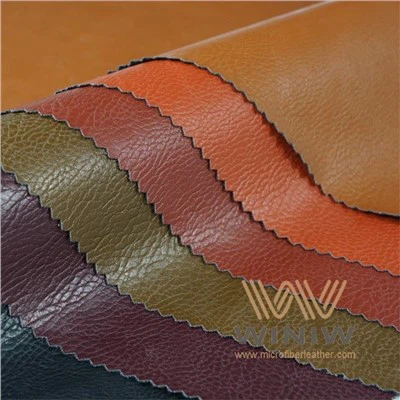
First, let’s clarify what PVC leather even is, because not all PVC is created equal. Unlike genuine leather, which is animal hide processed through tanning, PVC leather (sometimes called faux leather or vinyl leather) is a plastic-based fabric: a thin layer of polyvinyl chloride bonded to a textile backing (usually polyester or cotton blend). That backing is a game-changer when it comes to sewability. For example, the mid-weight PVC leather we supply for small leather goods has a 7-ounce textile backing, compared to the ultra-smooth, backing-less vinyl some big-box stores sell for cheap tablecloths. I’ve had new hobbyists come back saying, “I sewed PVC and it was a nightmare—kept slipping and tearing,” and 9 times out of 10, they bought that thin, backing-less stuff. The backing gives structure, prevents stretch, and keeps the fabric from shifting while you stitch. That’s why when we test materials for our customers, we always sort PVC leather into three categories based on sewability, and it lines up almost perfectly with what the backing is made of.
Let’s start with the easiest to sew: medium-weight PVC leather with a woven polyester backing, which is the most popular grade we ship for apparel, handbags, and upholstery. This is the stuff that works great for beginners, even with basic household sewing machines. Let me tell you a story about one of our customers, Mia, who runs a small Etsy shop making crossbody bags. When she first ordered a 10-yard cut of this medium-weight PVC, she messaged us panicking because her old sewing machine kept skipping stitches. We walked her through a quick adjustment, and two weeks later she sent us a photo of her best-selling “PVC Tote” line, which had sold out 3 times in a month. The key here is tools: you don’t need a industrial sewing machine for this grade, just a universal point needle (size 90/14 for light to medium projects, 100/16 for thicker bags or upholstery). We recommend a polyester thread, too, because nylon thread can stretch over time—important for items that get heavy use, like tote bags. Another trick that makes sewing this grade easy: use a Teflon presser foot. Most standard presser feet (the metal ones that hold fabric down) will stick to PVC, causing it to shift or even pucker as you stitch. A Teflon foot is non-stick, glides right over the material, and gives you a clean, even seam without fuss. Mia actually told us switching her presser foot was the biggest game-changer for her, way more than upgrading her machine.
Then there’s the middle grade: heavy-weight PVC leather, usually with a cotton blend backing, used for furniture upholstery, car seat covers, or thick messenger bags. This is a little trickier, but still manageable, as long as you have the right tools and a few techniques. I remember a customer named Carlos who owns a small auto upholstery shop; he used to avoid PVC leather for car seats because he thought it was too thick and hard to stitch. When we sent him a sample of our heavy-weight upholstery-grade PVC (with a 10-ounce cotton backing, designed for durability), he gave it a try. The first time he tried it, he used a standard needle and his machine jammed twice. We suggested using a sharp leather needle (size 110/18) and going slow—no more than 2 stitches per inch for thick seams. The cotton backing on this grade gives it a little more give than rigid solid PVC, so as long as you don’t push the machine too fast, it sews just fine. Carlos now uses our heavy-weight PVC for 70% of his custom car seat jobs, because it’s more durable and cheaper than genuine leather, and he says once he adjusted his technique, it’s just as easy to sew as vinyl upholstery he used to buy from other suppliers.
Now, the grade that gives PVC leather a bad name for being hard to sew: the thin, backing-less PVC leather, sometimes called “synthetic leather” or “decorative vinyl,” that’s used for things like costume props, cheap party tablecloths, or craft projects that don’t need durability. This stuff is just a thin layer of PVC with no fabric backing, so it stretches easily, gets sticky on presser feet, and can tear if you pull it too tight while stitching. I’ve seen hobbyists try to sew this thin PVC with a regular machine, and end up with a bunch of skipped stitches or a seam that pulls apart after one use. But even this grade isn’t impossible, if you use a trick most sewers don’t know: add a layer of tissue paper or parchment paper between the PVC and the fabric under it. The paper gives the machine something to grip, and once you’re done sewing, you just tear the paper away from the back of the seam. One of our customers, a cosplayer who makes elaborate costumes, uses this trick on the thin PVC she buys for armor details—she says it’s the only way she can get clean, straight stitches without the PVC shifting. It’s not ideal, but it works if that’s the only material that fits your project’s budget.
Wait, there’s one more factor that makes a huge difference in how easy PVC is to sew: how you prepare it, especially if you’re cutting it yourself. Unlike cotton, PVC leather doesn’t fray at the edges, so you don’t have to spend time finishing cut edges—but you do have to cut it correctly to avoid stretching. When we ship material to our customers, we always recommend using a rotary cutter and a self-healing mat, not scissors. Scissors can pull the fabric, causing stretch along the cut edge, which will make sewing way harder because the fabric won’t lay flat. I learned this the hard way early on in my supply career: I once sent a 20-yard cut of PVC leather to a customer who only used scissors, and half of the pieces she cut were stretched, so her seams were uneven and her bag projects came out lumpy. We ended up replacing the material for free, and since then we’ve made it a point to include a one-page guide with every bulk order, explaining how to cut PVC correctly for sewing. That guide is one of our most popular add-ons, actually—customers tell us it saves them hours of time and wasted material.
Another common question we get: can you topstitch or add decorative details to PVC leather? Topstitching (the line of visible stitches along a seam) is actually easier on PVC than on some other materials, because the non-stick surface holds the thread in place so it doesn’t sink into the fabric. For decorative details like embroidery, though, that’s a little trickier—PVC is a plastic, so embroidery floss can pull if you don’t use a water-soluble stabilizer on the back of the fabric. We’ve had customers who make custom patches and accessories tell us that adding a stabilizer makes embroidery on PVC as easy as it is on cotton, so that’s a good tip to remember.
Now, let’s talk about common mistakes that make sewing PVC harder than it needs to be. First, using the wrong needle. A lot of sewers use a universal needle for everything, but for thicker PVC, a sharp leather needle is non-negotiable. A universal needle can have a rounded tip that pushes apart the PVC fibers instead of cutting through them, leading to skipped stitches or tears. Second, not adjusting your machine’s tension. PVC is thinner than denim, so if your stitch length is set too short (like 10 stitches per inch), it will pucker. We recommend a stitch length of 3 to 4 mm (about 2 to 3 stitches per inch) for most PVC projects, to give the thread room to hold the seam together without pulling too tight. Third, pulling the fabric while sewing. It’s tempting to pull the fabric to make the stitches go faster, but that will stretch the PVC, leading to uneven seams. Just let the feed dogs on your machine do the work—gently guide the fabric, don’t pull it.
I know a lot of people still think PVC leather is a pain to sew, and that’s why so many small businesses stick to cotton or genuine leather. But over the years, we’ve seen customers turn around and tell us that once they got the right tools and techniques, sewing PVC became one of their favorite materials. Last year, a small furniture maker named Laura reached out to us; she’d been using genuine leather for her custom sofas, but the cost was pricing a lot of her customers out. She tried our medium-weight PVC upholstery grade, and now she uses it for all of her sofa lines, telling us it sews just as easily as the vinyl she used to buy from big box suppliers, and it’s more durable. She even said the PVC holds up better to spills and scratches than genuine leather, which is a huge selling point for her.
At the end of the day, the answer to “Can PVC leather be sewn easily?” is: when you choose the right grade, use the right tools, and follow a few simple tricks, it’s one of the easiest materials to work with. It’s way more forgiving than silk, less stretchy than spandex, and doesn’t fray like cotton, so you don’t have to spend extra time finishing edges. Whether you’re a hobbyist making your first wallet or a business making custom furniture, PVC leather can fit your project—you just need to know which one to pick, and how to work with it.

If you’re considering using PVC leather for your next project, we can help you choose the right grade for your needs—whether it’s a lightweight option for handbags, a heavy-duty grade for upholstery, or something in between. We supply a range of PVC leather products for small businesses, hobbyists, and large manufacturers, and we’re happy to share tips and samples to help you get your project done right. Reach out to our team to discuss your project details and get a custom quote.
WINIW Microfiber Leather For Safety Shoes References
- Smith, J. (2021). Sewability of Synthetic Leather Materials for Apparel and Upholstery. Journal of Textile and Apparel Technology and Management.
- Miller, L. (2019). Best Practices for Working with PVC Leather in Small Craft Workshops. Home Craft Industry Quarterly.
- National Association of Upholstery Professionals (2022). Material Selection Guide for Residential and Commercial Upholstery.
Winiw International Co., Ltd.
Winiw International Co., Ltd. is one of the leading pvc leather manufacturers and suppliers in China. We warmly welcome you to wholesale high-grade pvc leather made in China here from our factory. All products are with high quality and competitive price.
Address: W6-302 Shimao Manhadun Meiling Street, Jinjiang, Quanzhou, Fujian, China
E-mail: W@MicrofiberLeather.com
WebSite: https://www.winiwmicrofiber.com/
