Let’s be real—if you’re a forklift operator, fleet manager, or small business owner who relies on diesel forklifts, downtime isn’t just an inconvenience. It can tank your budget, mess up your delivery timelines, and even lead to costly repairs before you know it. I’ve been selling diesel forklifts for over 8 years now, and I can’t tell you how many times a customer has come to me panicking, saying their forklift sat unused for a month and now it won’t start, or the engine’s knocking, or the fuel tank’s so full of gunk they’re looking at a $500 cleaning bill before they can even use it again. Diesel Forklift
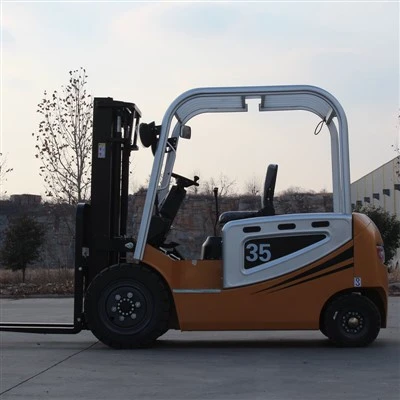
Today, I’m breaking down exactly how to store a diesel forklift when you’re not using it—whether that’s a week between busy seasons, a whole winter (if you’re in a cold climate, that’s a big one), or even a few months while your warehouse is getting renovated. This isn’t some generic manual garbage; it’s stuff I’ve learned from fixing customers’ messes, testing storage hacks in our own service yard, and yeah, a few mistakes I made myself early on when I thought I could just “park and go.”
First off, let’s start with the basics people skip because they think, “It’s just diesel, right?” No, it’s not. Diesel fuel is a fickle beast. Let’s say you store your forklift with a full tank of diesel because you don’t want moisture getting in. Wait, hold on—moisture does get in, even if the tank is full. Diesel absorbs water over time, especially when temperatures swing. That water sinks to the bottom of the tank, and once it hits iced (again, cold climates, this is huge), it clogs up your fuel filter, injectors, and lines. Even in mild weather, that water leads to microbial growth—aka diesel bug. That slimey, black gunk? It eats away at fuel lines, blocks injectors, and before you know it, your engine’s running rough or not at all.
So what’s the move with fuel? If you’re storing your forklift for more than 30 days, I highly recommend draining the old diesel and either refilling with fresh, winterized diesel (use a low-sulfur blend if you can, it’s more stable) or adding a fuel stabilizer. Wait, not just any stabilizer—specifically one formulated for diesel, not gas. Gas stabilizer doesn’t cut it for diesel bug. Follow the instructions on the bottle, and make sure you run the engine for 10-15 minutes after adding it. That lets the stabilizer cycle through the entire fuel system, not just sit in the tank. I also tell customers to top the tank up all the way after this—why? Because empty tanks have more air space, which means more condensation (that’s water forming from humidity in the air). Full tank = less air = less condensation. Game changer.
Next up: the battery. Oh man, batteries are the #1 reason forklifts won’t start after storage. Most people just park their forklift, turn the key off, and walk away. But lead-acid batteries (the standard for diesel forklifts) self-discharge over time—even when they’re off. If your battery drops below 12.4 volts while sitting, it can start sulfating, which is when those hard, white crystals form on the plates. Once that happens, the battery’s dead, and you’re looking at a new one. So what’s the right way to handle it? If you’re storing for more than two weeks, disconnect the negative cable first, and then the positive. That way you don’t drain the battery accidentally. Also, put it on a trickle charger—specifically a maintenance charger, not a fast charger. Fast chargers overheat batteries and shorten their life. And if you can, store the battery somewhere cool, dry, and not freezing (wait, no—if it’s freezing, a fully charged battery is less likely to freeze, but temperature swings are still bad. Aim for like 50-70 degrees, if you can). One more pro tip: if you’re storing the forklift for months, take the battery inside. I know, it’s a hassle, but it saves you $100-$200 on a new battery, easy.
Now, let’s talk about the engine itself. You don’t just park a diesel engine like it’s a lawnmower and walk away. First, change the oil and oil filter before storage. Old oil has acidic byproducts and moisture that build up in the engine over time. If you leave that in there for months, it will corrode the cylinder walls, bearings, and other internal parts. Use the oil weight recommended in your forklift’s manual, by the way—don’t just grab the cheapest oil at the auto parts store. Our service team sees this mistake all the time. After you change the oil, let the engine run for 5 minutes so the fresh oil coats all the internal parts, protecting them from rust.
Then, do the same for the fuel filter and air filter? Wait, not exactly—wait, if the air filter is dirty, replace it before storage. A dirty air filter has dust and debris that can get sucked into the engine if you start it up later, causing wear. If it’s clean, you can just leave it, but cover the air intake with a plastic bag or a breathable cover—no, not a garbage bag, that will trap moisture. A fabric or breathable cover keeps dust out. Also, check the coolant level. If you’re in a cold climate, make sure the coolant is the right mixture (50/50 coolant and water, usually) so it doesn’t freeze. Even mild freezing can crack engine blocks, which is a $2,000+ repair.
Tires are another big one. Diesel forklifts are heavy—we’re talking 3,000 to 10,000 pounds or more, depending on the model. If you leave them sitting on the same spot on the tires for months, you’re going to get flat spots. That means your forklift will vibrate, handle poorly, and even wear out the suspension faster. So what’s the fix? Move the forklift every 2-3 weeks, even if it’s just 10 feet back and forth. If that’s not possible, you can put jack stands under the frame to take the weight off the tires. Just make sure the jack stands are rated for the forklift’s total weight—using a car jack stand won’t cut it, that’s a safety hazard. Also, check the tire pressure before storage. Inflate them to the maximum PSI listed on the tire sidewall—underinflated tires have more flex, which makes flat spots worse. And if you’re storing them outside? Cover the tires with a tire cover to keep the sun from cracking the rubber. UV rays are the enemy of tire rubber, even when you’re using the forklift, but especially when it’s sitting unused.
Now, where you store the forklift matters just as much as what you do to it. I’ve had customers store their forklift out in a dirt lot because they didn’t have warehouse space, and by spring, the undercarriage was covered in rust from rain and mud. If at all possible, store your forklift indoors, in a dry, covered space. A garage, a warehouse bay, even a covered shed works. If you have to store it outside, use a heavy-duty, waterproof forklift cover—make sure it’s breathable, though. Trapped moisture under a cover is just as bad as no cover. Also, elevate it on a flat, hard surface—concrete, asphalt, not dirt or grass. Dirt has moisture, and it can attract rodents. Speaking of rodents… oh man, mice and rats love to nest in forklifts. They chew wiring, gnaw on hoses, leave droppings everywhere, and that’s a huge fire hazard if they chew through fuel lines. So if you’re storing it long-term, put some mouse traps or rodent repellent (natural ones like peppermint oil work, or commercial ones) near the forklift, and avoid storing boxes or debris around it that rodents can hide in.
Wait, what about small-term storage? Like, if you’re taking a week off for the holidays, or a month between busy seasons? The steps are similar, but you can skip a few things. No need to drain all the fuel or take the battery inside—just disconnect the negative cable, top up the fuel tank, change the oil if it’s going to be more than a month, and cover the air intake. Even short-term storage makes a difference; I’ve had customers who just park and go come back to a dead battery or a clogged fuel filter that could’ve been avoided in two minutes.
Now, let’s talk about common mistakes I see all the time. First, people skip the stabilizer because they think “my diesel’s fresh.” Nope, even fresh diesel will degrade in 30 days or less, especially in warm weather. Second, they disconnect both battery cables or just the positive—wait, disconnect the negative first, then the positive, so you don’t spark anything. Third, they use a gas stabilizer—total waste of money, doesn’t work for diesel. Fourth, they don’t move the forklift, leading to flat spots. I had one customer last year who stored his forklift for three months on a concrete pad in his yard, never moved it, and when he showed up, two tires had flat spots so bad he had to replace all four. That cost him $800, all because he didn’t roll it once a week.
And what about when you’re ready to take it out of storage? Don’t just turn the key and go. Do a quick pre-check: look under the hood for rodent nests, check the oil level and coolant, make sure the fuel lines aren’t leaking, check the tire pressure, and then connect the battery (positive first, then negative, for safety). Let it idle for 5-10 minutes, check for any weird noises or leaks, and take it for a short test drive around the yard. That way, if something’s wrong, you catch it before you try to use it for a big delivery or a heavy load.
At the end of the day, storing a diesel forklift properly isn’t rocket science. It’s just a few small steps that take 30 minutes to an hour, and they save you thousands of dollars in repairs, replacement parts, and downtime. I’ve seen customers cut their forklift maintenance costs by 70% just by following these steps, and that’s money they can put back into their business, not into fixing a avoidable problem.
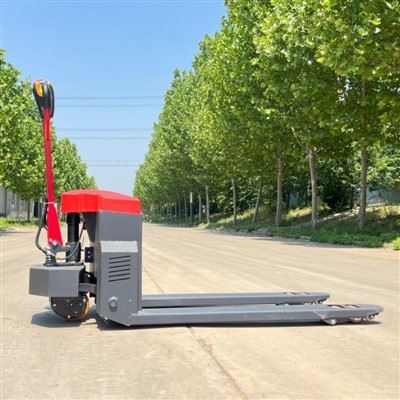
If you’re in the market for a new diesel forklift, or you have questions about storing the one you already have, feel free to reach out. We’ve got a team of experts who can help you with storage tips, maintenance checks, and whatever else you need to keep your forklift running strong. No pressure, just honest advice for fellow business owners who rely on their equipment to get the job done.
LPG Forklift REFERENCES
Diesel Technology Forum. (2021). Guidelines for Diesel Fuel Storage and Preservation.
OSHA. (2020). Forklift Storage and Maintenance Safety Standards.
National Institute for Occupational Safety and Health (NIOSH). (2019). Lead-Acid Battery Maintenance for Industrial Equipment.
Rubber Manufacturers Association. (2022). Tire Storage Best Practices for Heavy Equipment.
Qingdao Dawnshine Heavy Industry Co., Ltd.
As one of the most professional diesel forklift manufacturers and suppliers in China, we have world-leading production equipment and strong manufacturing capabilities. Welcome to wholesale discount diesel forklift in stock here and get quotation from our factory. For price consultation, contact us.
Address: South Side of Qiwang Road, Yueshan Village, Naoshan Economic Development Zone, Qingzhou City, Shandong Province, China
E-mail: laven.wang@china-dawnshine.com
WebSite: https://www.ds-forklift.com/
