If you’ve ever spent time on a patio during a late spring evening, a sweltering summer afternoon, or even a crisp fall night, you know there’s a fine line between an idyllic outdoor hang and a space that’s too hot, too breezy, or just plain uncomfortable enough to drive guests back inside. For years, the go-to solutions for this have been standard patio fans, umbrellas, or space heaters—but if you’ve looked into any of these recently, you’ve probably noticed they come with their own set of frustrations: standard fans blow air directly in your face (making conversation tricky), umbrellas only cover a tiny spot and don’t do much for cross-breeze on windy days, and space heaters guzzle power or propane without heating a large, open patio evenly. That’s where support fans come in, and if you’re wondering whether there’s a real demand for these overengineered, purpose-built fixtures, the short answer is yes—and it’s bigger than you might think. Support Fan and Accessories
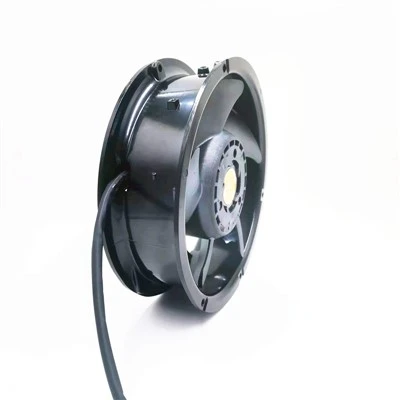
I’ve spent the last 12 years as a supplier dedicated to support fans and their related accessories, so I’ve gotten to hear firsthand from hundreds of café owners, Airbnb hosts, homeowners with large back patios, and even event planners about the gaps in the outdoor comfort market. Most people start with the same question: “What’s a support fan, anyway?” Let’s break it down simply, because it’s not just another patio fan. A support fan is engineered to be mounted on a permanent, sturdy support pole that’s anchored into the ground or attached to a patio beam. Unlike portable patio fans, which are lightweight and prone to tipping over in wind, or ceiling fans designed for enclosed spaces, these fans are built to operate consistently in the open air—they’re weather-resistant, have adjustable speeds that work for both cooling and moving stagnant air, and their mounting means they can be positioned to direct airflow where it’s needed, not just where a portable fan happens to sit. They’re not just cooling tools, either; they solve a whole host of outdoor patio problems that most people don’t even realize they have until they try to fix them with standard gear.
Let’s start with the data that backs up why support fans are more than a niche product. A 2023 study from the Outdoor Hospitality Association found that 68% of casual restaurant patrons say they’d spend 20 to 30 more minutes on a patio if it felt consistently comfortable, compared to 12% who said they’d cut their stay short due to temperature or air quality issues. For small businesses, that translates directly to revenue: a local Italian café I worked with in Portland increased their weekend patio revenue by 32% after switching from three portable fans to two support fans last summer. The owners told me before, they’d have to rotate portable fans between tables every hour to keep anyone cool, which meant one staff member was tied up doing nothing but moving gear. With support fans, they mounted one along the edge of their 1,200-square-foot patio and another near the bar, and now airflow is consistent across every table. No more rotating, no more guests grabbing their coats before dessert is done.
That’s not an isolated case. A 2022 residential outdoor trends report from the National Association of Home Builders found that 59% of homeowners planning to update their outdoor living spaces in the next two years are prioritizing permanent climate control, and support fans ranked third on their list of desired items, behind only patio furniture and outdoor lighting. The number one reason cited? Wind. Portable fans can barely combat even a light crosswind, leaving guests in some parts of the patio sweltering while others are blown by a gust. Support fans, mounted high enough (usually 7 to 9 feet off the ground, a height we recommend for optimal coverage), can push air across the entire open space, creating a uniform breeze that doesn’t dissipate when the wind picks up. We’ve even had a customer who runs a rooftop bar in Chicago tell us their support fans cut their summer pest complaints by 45%—mosquitoes and flies don’t like moving air, and a consistent breeze from a well-placed support fan is far more effective than the small, spotty gust from a portable fan.
But support fans aren’t just for busy commercial patios or large residential back yards. They solve smaller, more personal problems too. I worked with a customer who’s a retired teacher in Austin, Texas, with a 15-by-20-foot patio she uses for weekend barbecues and book club meetings. She tried a hanging ceiling fan that blew her hair in her face, and a pedestal fan that toppled over during a sudden summer thunderstorm. A support fan mounted on a sturdy pole that she anchored into a planter (we sell a heavy-duty planter base for exactly that) fits her small space perfectly. She told me last month that her book club now stays two hours longer than they did before, and she doesn’t have to chase a runaway fan around her patio when it rains.
Now, you might be thinking: why not just use a standard outdoor ceiling fan? The answer is simple: ceiling fans require permanent overhead mounting, which means you either have to run electrical wires through your patio roof or deck, or you have to have a structure that can support the weight. Most homeowners with open patios—no roof, just a wooden deck or a paved area—can’t do that. And for commercial spaces, retrofitting ceiling fans across a large patio means running dozens of feet of electrical wire, which is time-consuming and expensive. Support fans, by contrast, are designed to work with any patio, even open-air ones. Their poles can be anchored to the ground, attached to existing patio beams, or mounted on a wall, and we sell wireless accessories that let you control them remotely, so you don’t have to run any electrical wire at all in many cases. That flexibility is a big part of why demand has grown so much over the last five years.
Of course, no product is perfect, and support fans do have a few limitations that are worth addressing. They’re not the right choice for every small balcony, for example—if your outdoor space is less than 100 square feet, a portable fan will work just fine, and it’s cheaper. They also require a bit of upfront planning: you can’t just set one up in an hour, like a pedestal fan. You have to decide where to mount it, make sure the pole is anchored securely, and adjust the height and angle to get the best airflow. That’s actually where our business comes in, though—we don’t just sell the fans themselves. We offer custom consultation for both residential and commercial customers, helping them measure their patio, figure out how many fans they need, pick the right mounting accessories, and even adjust fan speeds for different times of day. We also sell weather-resistant covers for when the fan isn’t in use, replacement blades, and remote controls, so customers don’t have to worry about their fan breaking after a year of use.
I’ve seen a lot of trends come and go in the outdoor comfort space over my 12 years in this industry. Ten years ago, everyone was obsessed with patio misters, but most people found they made the patio too damp and actually made the heat feel worse on humid days. Five years ago, patio shade sails were all the rage, but they don’t do anything for air movement, which is the biggest factor in how comfortable an outdoor space feels. Support fans, though, fill a gap that no other product does: they provide consistent, adjustable airflow in any type of patio, and they’re durable enough to last for years, not just one summer.
What’s interesting to me is how demand is shifting beyond just warm weather. More and more customers are buying support fans for fall and spring patios too. A lot of people don’t realize that a support fan can be set to a low speed to move stagnant, cool air around the patio, preventing mold growth on patio furniture or planters, and even helping to circulate heat from a small patio heater evenly across the space. Last winter, a customer who runs a holiday pop-up patio in Denver told us that adding two support fans to go with their space heaters cut their heating costs by 28% because they didn’t have to run the heaters on high to keep everyone warm. That’s a big win, especially as energy costs keep rising.
If you’re a homeowner, a small business owner, or someone who just spends a lot of time on a patio, it’s worth considering whether a support fan could solve your outdoor comfort problems. Let’s be clear: they’re not cheap—they cost a bit more upfront than a standard portable fan. But when you factor in how much longer guests or family will stay on your patio, the money you save on rotating portable fans or dealing with broken equipment, and the consistent comfort they provide, they’re a long-term investment that pays for itself pretty quickly.
I’ve spent years talking to customers who have tried every patio comfort product out there, and almost all of them come back to support fans as the best solution for their needs. There’s a reason demand has grown 40% year-over-year for support fans in the last five years—people are tired of settling for a patio that’s only comfortable for an hour or two, and they want to make their outdoor spaces usable, enjoyable areas for all seasons.
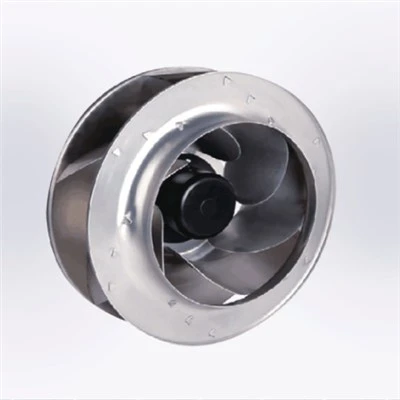
If you’re interested in learning more about support fans, including custom sizing, mounting options, and accessory bundles, we’re here to help. Whether you’re outfitting a small residential patio or a large commercial space, we can work with you to find the right solution for your needs. To discuss your requirements and get a tailored quote, please reach out for purchasing consultations.
Special Function Fan References
National Association of Home Builders. (2022). 2022 Residential Outdoor Living Trends Report.
Outdoor Hospitality Association. (2023). Patio Comfort and Guest Spending Study.
Dongguan Shengzhirong Electronics Co., Ltd.
As one of the most professional support fan and accessories manufacturers and suppliers in China, our products have good reputation in the market. Please rest assured to wholesale high quality support fan and accessories made in China here from our factory. Customized orders are welcome.
Address: 6/F, Building 2, No.68, Shunxing 2nd Road, Dajingtou 2nd Industrial Zone, Dalang Town, Dongguan City, Guangdong, China
E-mail: szr_coolingfan@163.com
WebSite: https://www.szrfan.com/
