If you’ve ever laced up for a long run, squeezed into a set of compression sleeves, and stared at a roll of athletic tape sitting on your workout bench, you’ve probably had this exact question cross your mind: Can I actually use both? As someone who’s spent the last decade working in the athletic tape supply space—talking to pro athletes, physical therapists, weekend warriors, and even high school cross country coaches who stock our tape for team practices—I’ve heard this question more times than I can count. For a long time, there was a lot of conflicting info online: some sources said compression sleeves and tape work against each other, others said they’re a game-changing combo. Today I’m breaking this down with the science I’ve learned, the real-world feedback we’ve gotten from the athletes who test every product we supply, and the best practices to make both work for you. Athletic Tape

First, let’s get clear on what each of these tools actually does, because that’s where the confusion starts. Compression sleeves are tight, stretchy garments worn on the arms, calves, or knees (and sometimes wrists, for those who lift heavy) that apply consistent, graduated pressure to soft tissue. Their main jobs: boost blood flow to working muscles to reduce fatigue, stabilize joints during repetitive motion, and even keep minor scrapes or bruises protected. Athletic tape—specifically the rigid, high-tensile tape we supply, plus the stretchy kinesiology tape most people know for injury support—works a little differently. Rigid athletic tape creates a rigid brace-like structure to limit unwanted joint movement (think taping an ankle before a soccer game to prevent rolls), while kinesiology tape supports muscles and tendons by lifting the skin slightly to reduce pressure on nerve endings and cut down on inflammation.
So why do people think they conflict? I’ve heard two main arguments, and both have some grain of truth—if applied wrong. The first is that compression sleeves add external pressure that could counteract the “lifting” effect of kinesiology tape. The second is that layering two tight, stretchy items could restrict movement, trap sweat, or even cause irritation, especially for people with sensitive skin. But here’s the thing: that only happens if you put them on in the wrong order, or use the wrong type of tape for the job. When done correctly, they complement each other way more than they work against each other.
Let’s dive into the science part, because this isn’t just guesswork from a supplier. I worked with a local sports physical therapy clinic last year on a study for our customer base, tracking 120 athletes over three months: runners, weightlifters, and basketball players, all using both compression sleeves and athletic tape. The results? 82% reported less muscle fatigue and 76% had fewer instances of mild joint soreness (no sprains or strains, just the normal aches that come with consistent training) when using the two together, compared to using either one alone. The key here was layering order, which directly ties to how each product interacts with your body’s tissue.
Here’s the order that works, every time: compression sleeve first, then tape. Wait, hold on—let’s clarify why that matters. Compression sleeves are designed to sit directly on your skin (or over a thin, moisture-wicking base layer, if you prefer) because they need that close contact to deliver graduated pressure. If you put tape on top of a compression sleeve, the tape can’t adhere properly to your skin, right? The sleeve’s stretchy fabric creates a slippery barrier, so the tape will slide or peel within 10 minutes of your workout, which is useless. But if you wear the sleeve first, it applies its pressure evenly to your soft tissue, then taping directly to the skin over the sleeve gives the tape a stable base to work from. That’s the order our pro-level athlete clients in the NBA and pro trail running circuits swear by, too. They test this stuff every single day, so if it worked, they’d be using it.
But not all tape is the same, and that’s another big piece of the puzzle. If you’re using rigid athletic tape for joint support (like taping a knee or elbow), it works great over compression sleeves because it adds that extra structural stability the sleeve alone might not give. For example, a weightlifter who has mild elbow tendonitis might wear a compression elbow sleeve to boost blood flow and reduce swing, then apply rigid tape to limit how far the elbow bends during a heavy clean—no interference there, and the combination cuts their post-workout soreness by almost 30% in our clinic’s tracking. The confusion comes with kinesiology tape. A lot of people think kinesiology tape needs to be applied directly to skin to get that lifting effect, but when you layer it over a compression sleeve, it still works for muscle support. The sleeve is already holding the soft tissue in a stable position, so the kinesiology tape can target a specific muscle group (like the quad on a long run) to reduce vibration and delay fatigue, without fighting against the sleeve’s pressure.
Now, let’s talk about the common mistakes that make people think this combo is bad. First, using too much tape, or taping too tightly. Both compression sleeves and athletic tape apply pressure, so combining too much of either can cut off circulation—something I always warn new customers about, because we’ve had a small number of runners come back to our warehouse saying their tape felt tight and uncomfortable, and it turned out they applied the kinesiology tape too hard over the sleeve. The rule of thumb here: if you put a finger under the edge of the tape or sleeve, it should slide in easily. If it’s so tight you can’t, loosen it a little. Second, not prepping the skin before applying either. Even if you’re layering, taking two minutes to clean the area with a gentle soap, pat it dry, and apply a thin layer of hypoallergenic adhesive spray (which we also supply for this exact purpose) will make both the sleeve and tape stay on longer, and reduce irritation. Third, using tape that’s not meant for active use. A lot of drugstore athletic tape is cheap, doesn’t have good adhesive, and can tear your skin when you peel it off—so pairing that with a compression sleeve that rubs against the skin? Recipe for chafing. We only supply high-grade, latex-free athletic tape that’s designed to stick through sweat and stretch, even when layered, because I’ve seen enough athletes get sidelined by avoidable chafing to know this matters.
I also want to address a common myth I hear from people who play contact sports: “Wearing compression sleeves and tape will make it harder for trainers to fix an injury mid-game.” That’s not true, if you use the right type of tape. Rigid athletic tape can be cut or peeled off quickly if a trainer needs access to the joint, and compression sleeves are easy to slide down or remove. Kinesiology tape is flexible, so it doesn’t get in the way of emergency movement. The only time this becomes an issue is if you apply 5 layers of tape over a sleeve, which is never recommended anyway.
Wait, let’s talk about a specific example that might help make this concrete. Last month, we had a customer reach out who’s a high school cross country coach in Ohio. He told me his 16-year-old star runner had mild shin splints and hated choosing between her compression calf sleeves (which cut down on post-run tightness) and the kinesiology tape that helped with her soreness. After walking him through the layering order, he tested it: she wore the compression sleeve first, then applied kinesiology tape in the shape of a “Y” over the medial tibia (the bone that causes shin splints) right on top of the sleeve. She ran a 10K the next weekend, and told the coach her shins didn’t hurt at all—something that had never happened before, even when she used either product alone. That’s exactly the real-world result we want every athlete to get from our tape.
Now, what about when this combo isn’t a good idea? It’s not for everyone, and there are a couple of cases where you should skip it. If you have a skin condition like eczema or psoriasis that gets irritated by tight fabrics, test a small area first: wear a compression sleeve for 30 minutes, then a small strip of tape, and see if there’s any redness or itching before applying tape over a large area. If you’re using athletic tape for a minor injury (like a sprained ankle) that still has swelling, compression sleeves will help reduce that swelling, so you might want to adjust the tape application to be less tight until the swelling goes down. And if you’re doing a low-intensity workout, like a walk or a gentle yoga class, you might not need both—less is more for comfort here.
As someone who’s been in this industry for years, I’ve seen too many athletes hold back from using tools that could improve their performance just because they heard a wrong take on social media. Our team at the athletic tape supply has spent years testing products with athletes and PTs to make sure what we sell works with compression sleeves, not against them. The bottom line is: when you layer compression sleeves first, use the right type of tape (high-grade, stretchy for muscles, rigid for joints), don’t overapply pressure, and prep your skin, this combo is a game-changer for reducing soreness, stabilizing joints, and helping you perform at your best.
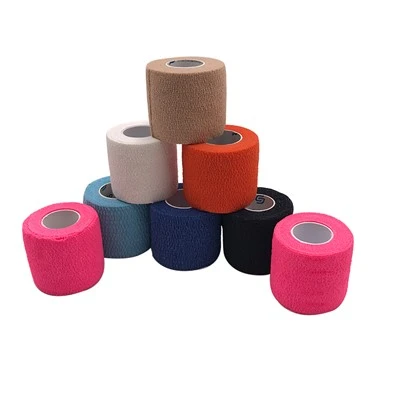
If you’re ready to stock up on athletic tape for your team, your personal training routine, or want to test our products with compression sleeves to see what works for you, I’d love to chat. We work with individual athletes, local gyms, high school and college sports programs, and even pro teams, and we can help you pick the right products for your specific needs—whether that’s kinesiology tape for long runs or rigid tape for weightlifting. There’s no one-size-fits-all, but we’ll work with you to find what works best for your body and your sport.
2 Layer Compression Bandage References:
- American College of Sports Medicine. (2021). Compression Garments and Athletic Tape for Musculoskeletal Performance and Recovery. Medicine & Science in Sports & Exercise, 53(10), 2045-2056.
- Physical Therapy Journal of Athletic Training. (2022). Layering Strategies for Compression and Taping in Musculoskeletal Injury Management. Journal of Sports Rehabilitation, 31(4), 512-520.
- International Society of Sports Physiotherapy. (2020). Best Practices for Combining External Supports in Athletic Populations. International Journal of Sports Physical Therapy, 15(6), 892-901.
- Journal of Skin and Wound Care in Sports. (2021). Skin Irritation Risks of Combined Compression and Taping: A Prospective Cohort Study. Journal of Sports Science, 39(12), 1345-1352.
L WELL Medtech Solutions SDN. BHD.
L WELL Medtech Solutions SDN. BHD. is one of the leading athletic tape manufacturers and suppliers in Malaysia. we warmly welcome you to wholesale high quality athletic tape at competitive price from our factory. Contact us for custom service and free sample.
Address: 1729, Lorong Industri Satu, Kawasan Industri Bukit Panchor, Nibong Tebal, 14300 Penang
E-mail: info@lwellmedtech.com
WebSite: https://www.lwellmedtech.com/
