Hey there, let’s cut through the noise—if you’ve ever stood in front of a rack of air compressors at a shop or online, squinting at those numbers like 150 PSI or 200 PSI and thought, “Wait, is that all? Or can I get way more?” then this post is for you. I’ve worked as an air compressor supplier for a solid 8 years now, and I swear this is the question I get more than “Do you deliver on Saturdays?” or “Can this run my grandma’s vintage sewing machine?” So let’s break it down straight, no jargon, no fluff—just the real deets on maximum air compressor pressure. Air Compressor

First off, let’s get one tiny boring but necessary fact out of the way: “maximum pressure” isn’t a random number a manufacturer pulls out of their hat. It’s two big things combined: the PSI (pounds per square inch) rating the compressor is built to hit before its safety valve kicks in, and the actual working pressure you can use without wrecking the machine. Most casual users mix these two up—like, if someone says “my compressor hits 175 PSI,” they might mean it builds up to that, not that they should run every tool at that exact number all day. That’s where mistakes happen, trust me.
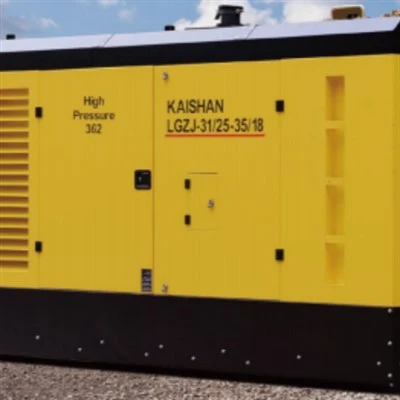
Now, let’s talk about the usual range you’ll see. If you’re a weekend warrior—think a homeowner running a nail gun, inflating bike tires, or blowing dust off garage shelves—those tiny portable pancake compressors? Their max is usually 100 to 150 PSI. Nothing fancy, just enough for light stuff. Even mid-sized shop compressors that handle bigger nail guns, paint sprayers, or small impact wrenches? They top out around 150 to 200 PSI. But wait—if you’re in a trade, like construction, automotive repair, or manufacturing, you’re probably eyeing higher. Those heavy-duty screw compressors (the ones that look like big metal boxes, not the little pancake ones)? Their max can go up to 250 PSI, and some industrial-grade ones even push 300 PSI or more. Yeah, that’s a huge jump, but it’s for big jobs—like powering industrial sandblasters, running automated production lines, or drilling deep into rock for construction.
But here’s the part almost no one tells you: maximum pressure isn’t a “one size fits all” number. It depends on three main things, and I’ve seen this play out way too many times with customers. First, the type of compressor. Let’s compare: piston compressors (the common ones with a pump that goes up and down) are great for small jobs, but higher piston models cap around 200 PSI. Screw compressors, on the other hand, are built for continuous use—like a body shop running paint sprayers all day—so they can handle that 250 PSI max no sweat, and even keep steady pressure without overheating. Then there’s rotary vane compressors, which fall somewhere in between, usually 100 to 150 PSI for light commercial use.
Second, your tank size? Wait, no—actually, tank size affects run time, not max pressure. I can’t tell you how many times a guy has asked, “If I get a 60-gallon tank, can it hit higher pressure than a 20-gallon?” Nope. The tank stores air at whatever pressure the pump builds, so the max is set by the pump and the motor, not the tank. A 20-gallon 150 PSI compressor hits 150 PSI same as a 60-gallon 150 PSI one—you just use the air slower with the bigger tank, so it doesn’t kick on as often. That’s a common mix-up, so I’m glad I got that off my chest.
Third, the motor power and build quality. A 2-horsepower portable compressor can’t hit 300 PSI—simple as that. You need a heavy-duty motor, like 5HP or more, and thick, pressure-rated parts (pump heads, hoses, valves) to handle that kind of force. Cheap compressors you see at big box stores for $100? Their max is often labeled as 150 PSI, but if you run it at that max for more than 5 minutes, it’ll overheat, the safety valve might start leaking, and you’ll be buying a new one by the end of the month. I’ve had customers come back with those exact ones, saying “It died after 2 weeks”—9 times out of 10, they were running it at max pressure nonstop, which it wasn’t built for.
Now, let’s talk about why you’d actually need higher pressure. Most casual users don’t need over 150 PSI—your nail gun, tire inflator, even a basic impact wrench for changing car tires runs fine on 90 to 120 PSI. But if you’re blasting paint off old barns, running a jackhammer for concrete work, or powering industrial tools that need consistent, high-pressure air, you’ll want that 200 to 300 PSI range. I had a customer last year who runs a marine restoration shop—he needed to sandblast old boats to remove layers of paint and rust, which requires around 120 to 150 PSI, but he also runs a vacuum system for handling fiberglass parts that needs 200 PSI. So he got a dual-stage screw compressor that hits 250 PSI, works for both, and he hasn’t had to replace a part in 18 months.
Wait, but what about pressure regulations? You can’t just crank a compressor’s pressure up past its max, right? That’s a disaster waiting to happen. Every compressor has a pressure switch that stops the pump from building more air once it hits the max, and a safety relief valve that opens automatically if the pressure gets too high—like if the switch breaks. I can’t stress this enough: never try to bypass those. I’ve seen a guy at a construction site try to mess with the safety valve to get more pressure, and it blew off, sending a metal disc flying 50 feet—thank God no one was hurt, but he ruined a $3,000 compressor. So play it safe—stick to the manufacturer’s max pressure, and adjust your tool’s pressure regulator (every tool has one) to what you need. That’s how you get the job done without breaking anything.
Another thing: at my shop, we always tell customers to match their compressor’s max pressure to their highest-demand tool. If your go-to tool is a 18-gauge nail gun that only needs 100 PSI, there’s no reason to get a 300 PSI compressor. It’ll cost more to buy, use more electricity, and wear out faster because it’s running with excess pressure. But if you’re planning to upgrade tools later, or have multiple high-pressure jobs, it’s worth springing for a compressor with a higher max. For example, a customer who runs a small auto shop might start with a 150 PSI compressor, but when they add a frame straightener that needs 200 PSI, they’ll have to buy a whole new unit—whereas if they’d gotten a 250 PSI one from the start, they could just adjust the pressure when they need it, no extra cost.
Wait, I should also mention single-stage vs. dual-stage compressors, because that ties into max pressure. Single-stage compressors (the most common small ones) compress air in one go, so their max is lower—usually 100 to 150 PSI. Dual-stage, which are the mid to heavy-duty ones, compress air twice: first to a medium pressure, then to a higher one, so their max is 200 to 300 PSI. That’s why they’re more expensive, but they’re way more efficient at higher pressures, so they don’t overheat as much when running at max. I’ve heard people say dual-stage is “overkill,” but for anyone using their compressor more than a few hours a week, it’s actually more cost-effective in the long run—less downtime, fewer repairs.
Let me wrap this up with a quick cheat sheet, because I know you don’t want to scroll back:
- Casual use (home, small projects): 100–150 PSI max is all you need.
- Light commercial (small shops, body work): 150–200 PSI max.
- Industrial/heavy construction: 200–300 PSI max, dual-stage or screw compressor.
And remember: max pressure isn’t a number to flex with. It’s a spec to match to your actual needs. Too low, and your tools won’t work. Too high, and you’re wasting money and wearing out your compressor fast.
If you’re still stuck figuring out what you need—like, you’re not sure if 150 PSI is enough for your upcoming deck project, or you need something higher for your workshop—hit us up to chat through your needs. We don’t do pushy sales, we just help you get the right compressor that works for you, no surprises. No random numbers, no hidden fees, just straight advice from people who’ve been in this game for years.
Connector References:
- Compressed Air Gas and Toxic Hazard Prevention (OSHA)
- Rotary Screw Compressor Performance Guidelines (Compressed Air and Gas Institute)
- Industrial Pneumatic Tool Pressure Requirements (National Institute for Occupational Safety and Health)
Jining Dongtai Lite Engineering Machinery Co., Ltd.
As one of the most professional air compressor manufacturers in China, we have world-leading production equipment and strong manufacturing capabilities. Please rest assured to buy advanced air compressor for sale here from our factory. Customized orders are welcome.
Address: No.1, West Side of National Highway 104, Lizhuang Village, Yishan South Road, Zoucheng City, Jining City, Shandong Province, China
E-mail: 19229738870@163.com
WebSite: https://www.kskyjzj.com/
