Hey there, let’s cut to the chase—if you’ve ever twisted open a fancy cream or serum in a glass or plastic jar and thought, “Ugh, is this still good?” you’re not alone. As someone who’s spent years designing and manufacturing cosmetic jars (hello, I’m part of the team that makes those little vessels that hold so much potential for your skincare or makeup), this is one of the most common questions we get from both small brand founders and big-name giants. Today, I’m breaking down exactly how long a jarred cosmetic lasts, what actually makes it go bad, and why the jar itself matters way more than you might think. No stuffy science jargon, no copy-pasted industry fluff—just real talk from someone who’s deep in the jar game every single day. Cosmetic Jar
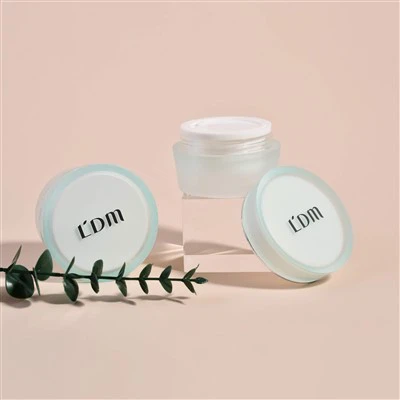
First, let’s get one tiny, confusing detail out of the way: there’s a difference between shelf life (how long the product is good unopened, sitting on a shelf or in your storeroom) and PAO, or Period After Opening (the little 6M or 12M symbol on the label you’ve probably glanced at but ignored). They’re not the same, and mixing them up is how you end up with that “is this safe?” panic mid-night skincare routine. Let’s break those two down first, because that’s the baseline.
Unopened shelf life is usually determined by the cosmetic formulator, right? They run stability tests—stick the product in hot and cold rooms, bake it, freeze it, leave it on shelves for months—and figure out how long it stays stable, meaning it doesn’t separate, change color, smell weird, or lose its active ingredients (like vitamin C or retinol, which are finicky AF). For most jarred products (think face creams, body butters, thick serums, even some lip balms), that unopened shelf life is anywhere from 1 to 3 years. But wait—this is where the jar comes in. If your product is in a flimsy plastic jar that lets air seep in, or a thin glass jar that light can punch through, that 3-year window could shrink to 18 months, easy. Formulators build the preservative system around the packaging, so bad packaging ruins all their hard work.
Then there’s PAO, which is what you should actually care about once you twist that lid open. That little symbol (6M means 6 months, 12M is 12) is non-negotiable for safety. When you open a jar, you’re no longer dealing with a sealed system—your fingers, air, even that little drop of water you forgot to wipe off the lid get in, and that’s when bacteria and mold throw a rave. For most creamy, thick jarred products, that PAO is 6 to 12 months. If it’s a more delicate product, like a vitamin C serum in a jar (yes, that exists, though we don’t recommend it for super sensitive actives), it might drop to 3 months. But again, the jar changes this—an airless pump jar (wait, is that even a jar? Sort of, for thick products) keeps air out, so that 12M PAO can stretch to 18, which is huge for brands and consumers.
Now, let’s talk about why jarred products are just… different from, say, a tube or a bottle with a pump. Tubes and pump bottles dispense product without you sticking your finger in, right? That’s a huge win for contamination. Jars? You’re digging in. I’ve seen so many brand owners cut corners on jar design because they think “it’s just a container,” but no—this is the first line of defense against product decay. Let’s say you have a face cream in a cheap, wide-mouth plastic jar with a screw-on lid that doesn’t seal tight. You use your index finger to scoop out a pea-sized amount, then wipe a little cream on the inside of the jar lid when you’re done. That leftover cream is exposed to oxygen, and over 2 weeks, that whole jar’s preservative system is working overtime to fight bacteria that snuck in. Compare that to a jar with a tight, airtight seal—maybe a child-resistant lid, or a liner under the cap—and you just added weeks, even months, of good product life.
Light is another big one, and most people don’t connect it to the jar. I can’t tell you how many times a brand will come to us with a clear glass jar, asking why their product goes bad in 6 months instead of 2 years. Newsflash: light (especially UV light) breaks down active ingredients and degrades the product’s formula. That’s why we make tinted jars—amber, cobalt blue, even frosted black glass or heavy opaque plastic. Tinted jars block light, so your cream’s vitamin A, your serum’s hyaluronic acid, they don’t turn into useless goop after 3 months. I had a client last year who switched from clear plastic jars to our amber PET jars for their facial serums, and their reported shelf life jumped from 12 months unopened to 24. That’s not magic—that’s the jar doing its job.
Wait, but what about natural products? A lot of indie brands make clean, preservative-free cosmetics, and their jar choices matter even more here. If you’re using a product without synthetic preservatives, you can’t rely on the formula to fight off bad stuff—you have to rely on the jar. We work with a ton of indie clean beauty founders who use our airless jars or our cold-processed cream jars with hermetic seals, because if they use a cheap jar, their product goes moldy in 2 weeks. I always tell them: if you’re skipping preservatives, your jar is your preservative. No exceptions. I’ve had a founder send me a photo of their moldy cream in a clear jar and say “it was supposed to be natural!” and I just shake my head—they skimped on the jar that’s supposed to protect the natural product.
Now, let’s get real about what makes a product go bad, because this isn’t just about time. You might have a jar that’s technically within its 12M PAO, but it smells like sour milk, or looks lumpy, or separates into weird layers—throw it out. Don’t risk a breakout or an eye infection over a $15 cream. I’ve had friends who used an expired face mask in a jar and ended up with a rash that lasted 2 weeks, so trust me on this. Signs of bad jarred product: off smell (not just “it smells different than when I bought it” but sour, rancid, or musty), texture change (from smooth to gritty, lumpy, or runny), color change (if it was white and now it’s yellow or gray), or even tiny fuzzy spots (mold—obvious, but worth mentioning). If you see any of that, toss it.
But here’s the fun part (for a jar nerd like me): you can actually extend the life of your jarred product just by how you use the jar. Let’s be honest, most of us dig in with our fingers, but here’s a pro tip: use a disposable spatula, a clean spoon, or even a cotton swab to scoop out product. That way, you’re not introducing bacteria from your hands into the jar. Also, wipe the rim of the jar and the lid every time you close it—get rid of any leftover product that could dry out and let air in. And store it in a cool, dark place, not your bathroom (bathrooms are steamy, hot, and full of bacteria from showers—bad for products and bad for jars that might not handle humidity). I have a client who stores all her in-use jars in a linen closet, and her PAO period is now 18 months instead of 12—small habit, big difference.
Wait, let’s circle back to the brand side, because that’s where most of our conversations happen. If you’re a cosmetic brand owner, whether you’re just starting out with 50 units or scaling to 10,000, the shelf life of your jarred product is a make-or-break detail for labeling, marketing, and customer trust. If you overestimate the shelf life, you’ll end up with customers opening a jar that’s already bad, and they’ll leave a 1-star review saying “this product is garbage.” If you work with a jar supplier that doesn’t get how packaging interacts with cosmetic formulas, you’ll waste money on jars that don’t protect your product, and you’ll have to recall stock because it goes bad too fast.
That’s why we’re not just a jar supplier—we’re a team that works with you to figure out the right jar for your product. If you have a vitamin C serum that’s light-sensitive, we’ll recommend cobalt blue glass jars. If you have a thick body butter that needs to stay fresh for a year, we’ll suggest our airtight polypropylene jars with a wide mouth for easy scooping. If you’re a clean brand with no preservatives, we’ll walk you through our hermetic seal options that keep air and bacteria out. We don’t just sell jars—we make sure your product lasts as long as it’s supposed to, because when your product performs well, we look good too (win-win, right?).
I’ve seen too many brands fall into the trap of choosing the cheapest jar to save a buck, only to end up with tons of waste, bad reviews, and frustrated customers. Last year, a small batch skincare brand came to us after their supplier of 2,000 jars went out of business. Their old jars were thin, clear, and had loose lids, so their unopened shelf life was only 18 months—when industry standard for their formula was 24. They switched to our tinted amber jars with tight, airtight seals, and their shelf life jumped to 27 months, with almost no complaints about product freshness. That’s the power of the jar, y’all.
Let’s also bust a common myth: bigger jars don’t mean longer shelf life, but they do mean you should use them faster. A 16-ounce body butter jar is awesome for the price, but if you’re the only one using it, it might take you 18 months to finish it—way longer than the PAO. So even if it’s a huge jar with a great seal, use it within the PAO period, not just the unopened shelf life. We actually recommend for consumer-facing brands to size jars to how quickly someone would use the product—if it’s a face cream someone uses twice a day, a 1-ounce jar (standard) is perfect for a 12-month PAO. No need for a 4-ounce jar that will sit open for a year.

So to wrap this up, let’s get the key takeaways clear, no fancy terms:
- Unopened shelf life for jarred cosmetics: 1-3 years, depending on the formula and jar.
- PAO (Period After Opening): 3-12 months, based on contamination risk and jar protection.
- The jar is not just a pretty container—it’s the #1 factor in keeping your product good. Tint for light protection, airtight seals for no air, and quality construction matter way more than the label design.
- Extend your product life: scoop with tools, keep the jar clean and sealed, store it in a cool dark place, and don’t ignore that PAO symbol.
Cosmetic Bottle Now, if you’re a brand looking to source cosmetic jars that actually do their job (not just hold your product), or you’re a small founder who needs help figuring out which jar will keep your creation fresh, we’re here. No pushy sales stuff, no confusing quotes, just real advice on jars that work for your product and your customers. Hit us up to chat through your needs, whether you need 100 jars or 100,000. We’re all about helping your product last as long as it’s meant to.
References
- Personal communication with cosmetic formulators specializing in topical creams and serums (2022–2024)
- CTFA (Cosmetic, Toiletry, and Fragrance Association) Stability Testing Guidelines for Jarred Cosmetics
- ISPE (International Society for Pharmaceutical Engineering) Best Practices for Packaging and Shelf Life of Semisolid Topical Products (2021)
- Journal of Cosmetic Science: Impact of Packaging Materials on Shelf Life of Light-Sensitive Topical Formulations (Volume 74, Issue 3, 2023)
Shaoxing Longderm Plastic Co., Ltd.
Shaoxing Longderm Plastic Co., Ltd. is one of the leading cosmetic jar manufacturers and suppliers in China. We warmly welcome you to wholesale custom made cosmetic jar from our factory. For more cheap products, contact us now.
Address: No. 55, Tongmingnan’an Road, Yuxian Village, Fenghui Town, Shangyu District
E-mail: hello@ldmpac.com
WebSite: https://www.ldmpackaging.com/
