Hey there,
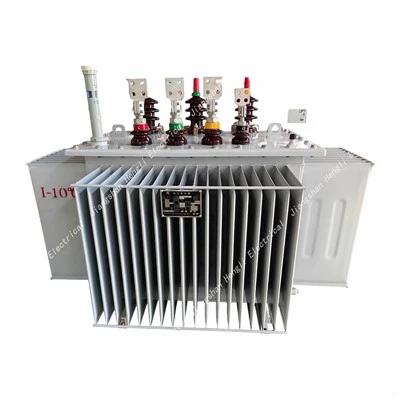
It’s Jake from the electric furnace transformer team—you might’ve seen us around the trade shows, or gotten a follow-up note after someone asked about our 10MVA DC EAF units. Today I want to talk about something every steel mill, ferroalloy plant, or custom metal shop I work with runs into eventually: short-term overloading of an electric furnace transformer. Electric Furnace Transformer
First, let’s get real. Overloading isn’t just a “oops we pushed too hard” mistake—it’s a stressful, costly hiccup that can shut down your melt shop mid-campaign, wreck transformer insulation, or even drop you behind on order deadlines I know you can’t miss. I’ve seen guys panic and crank the cooling fans to max and cross their fingers, only to burn out a winding two weeks later. I’ve also seen a plant try to ride it out without checking loads, and the transformer went offline during a peak melt, costing them $40k in lost production alone. That’s the stuff I want to help you avoid.
Short-term overloading here means something specific, too—this isn’t the general “we ran equipment a little hot” overload. For our line of electric furnace transformers (they’re built for both DC and AC EAF applications, by the way), short-term overload is any load above nameplate rating that lasts 2 hours or less. Common culprits? A batch of scrap that’s denser than you planned, a last-minute order that needs a faster melt schedule, or a cooler that flips out and makes you run hotter to keep up. Whatever the cause, there’s a smart way to handle it—no guesswork, no cutting corners, no risking that transformer you rely on every day.
Let’s start with the immediate, on-the-spot steps you don’t want to skip the second you notice you’re overloaded. I know when you’re in the middle of a melt, your first instinct is to keep the arc alive and avoid a shutdown. But let’s pull up the actual data here. Every transformer we sell has a pre-programmed thermal load curve in its integrated monitoring system (we build that into all our new units, even the mid-range models). That curve tells you exactly how much extra load you can safely run for how long before insulation temperature crosses the 120°C threshold (the standard for class F insulation, which 90% of EAF transformers use). The worst thing you can do here is ignore that curve. Last year, a customer in Ohio told me he “winged it” during a heavy batch, running 15% over nameplate for 3 hours because he thought he could handle it. The thermal sensor caught it, but he’d already pushed the winding to 138°C—he had to stop the melt, let it cool for 2 hours, and lost half a day. That’s avoidable.
Immediate step one: Check real-time temperature first, not just current. Most guys look at the amp meter and panic, but the ambient shop temperature, scrap density, and even how clean your cooling fins are matter more. If your cooling fins are covered in mill scale (I see that way too often—guys forget to clean them monthly), your transformer will run 10-15°C hotter even at normal load. If the current is 10% over nameplate, but the winding temp is only 108°C, and the curve says you can run 10% over for 2.5 hours safely, you’re fine. If the temp’s already 125°C, start taking action now.
Immediate step two: Adjust your melt parameters before you touch the transformer itself. That’s a trick I learned from a veteran EAF operator in Pennsylvania 10 years ago. If you’re overloaded, turn the arc current down by 5-7% for the next 15 minutes—you might have to extend the melt time a little, but you’ll pull the winding temp down by 8-10°C fast without putting the transformer at risk. No need to crank the fans to max, no need to bypass the thermal relays (those are there for a reason). Last month, a customer in Detroit did this when he got a dense batch of stainless steel scrap. He was 12% over nameplate, winding temp hit 122°C, turned current down, temp dropped to 110°C in 10 minutes, and he finished the melt 15 minutes late but no transformer issues. Way better than the alternative.
Now, what if the overload is coming from a temporary system glitch—say, a faulty tap changer that’s stuck on a lower tap, making the transformer run hotter? Wait, don’t just fix that right away. Let’s say you’re 20% over nameplate, and that tap changer is the problem. If you can swap to an adjacent tap safely (check your transformer’s tap voltage range—our units let you do that hot, as long as you follow the tap sequence), that’ll bring the load back down in 90 seconds, no shutdown needed. I’ve seen this save more melt shifts than I can count. A customer in Indiana had a tap changer seize during a heat cycle last spring; we walked their operator through switching to the next tap, cutting load by 18%, and they finished the heat without stopping. Fix the tap changer after the heat, not mid-melt.
But here’s the thing—immediate fixes only get you so far. The real issue is preventing repeat short-term overloading, because those little repeated spikes add up to shortened transformer life. Over the 15 years I’ve worked in this space, I’ve seen that short-term overloads (even 5% over nameplate for 1 hour, twice a week) reduce transformer winding insulation life by almost 20% in 3 years. That’s a big deal. So what can you do long-term to handle overloads before they happen?
First, tune your scrap pre-processing. This is the single biggest variable for EAF load. If your scrap yard is sorting scrap into uniform density batches, you can predict the load 24 hours in advance. I’ve had customers switch to sorted scrap and cut their short-term overload events by 70% in a quarter. Dense scrap takes more power to melt, so matching your scrap density to your transformer’s nameplate rating means you’ll only overload if there’s a true emergency, not bad planning.
Second, upgrade your monitoring system if you’re still using a basic amp meter. All our new transformers come with remote thermal monitoring, but if you’ve got a 5-10 year old unit, you can add a retrofit sensor kit that tracks winding temp, oil temp, load current, and even cooling system efficiency in real time. This lets you plan ahead—you’ll get an alert an hour before you hit the overload threshold, not when you’re already at risk. Last year, we retrofitted a unit for a ferroalloy plant in Texas; within a month, they reduced unplanned overload shutdowns by 85%. They could see a batch of nickel ore was denser than expected an hour into the melt, adjusted parameters early, and avoided overloading entirely.
Third, run regular load tests on your transformer. I know, you’re busy—who has time for a full load test? But a 2-hour short-term load test (we offer this as a low-cost service for our customers, by the way) will show you exactly how much extra load your transformer can handle safely, based on its actual condition, not just the nameplate curve. Nameplate curves are general—your transformer might be slightly over-insulated, or your cooling system might be more efficient than average, so you can safely handle 10% more load than the curve says. Or it might have a small issue with insulation that means you should stick to 5% overload max. We had a customer in Canada run a load test on his old unit, and he found he could handle 12% overload instead of the 8% the name curve said. That let him take on a few extra small orders without buying a new transformer right away—saved him $60k.
Now, what if you do push it too far, even with all these steps? The emergency steps. If your winding temp hits 140°C (that’s the red line for class F insulation), stop the melt immediately. Don’t wait. Shut off the arc, let the transformer cool at idle load for at least 1 hour before you start a new melt cycle. I know this feels like a disaster mid-shift, but waiting 2 hours to cool will save you a $50k winding rewind (which is what happens if you run at 145°C for 30 minutes). I’ve seen guys try to power through, and they end up replacing the transformer entirely, which is way more expensive than a 1-hour cool down.
Wait, let’s address a common myth I hear all the time: “Transformers are built to handle overloads, so I can just run as hot as I want.” That’s half true. Transformers are designed for occasional overloads, but short-term overloads aren’t unlimited. The IEEE C57.12.90 standard (which is the gold standard for power transformers, including EAF units) says that short-term overloads should only be 15% over nameplate max, and only last 2 hours, total, per week. Any more than that, and you’re accelerating insulation aging. We build our transformers to meet that standard, and to give a 20% safety buffer for EAF-specific thermal spikes, but that buffer isn’t infinite.
Another myth: “Bypassing the thermal relays will let me run more load.” Don’t do that. Thermal relays are the only thing protecting your transformer from catastrophic overheating. I had a customer in Michigan do that 2 years ago—he bypassed the relay to run 25% over nameplate for a third heat. The transformer burned out during the next night shift, and he was down for 10 days. Replacement transformer cost him $120k, plus lost production. It took us 8 weeks to get a replacement custom unit made, but we could’ve avoided the whole thing if he’d just followed the load curve.
Let’s wrap this up with a quick, actionable checklist you can keep by your control room wall, because I know you don’t have time to read a whole manual during a melt:
- Before a melt: Check scrap density, confirm transformer load curve, verify cooling fins are clean.
- Mid-melt, at first sign of overload: Check real-time winding temp, not just current.
- If temp < 120°C: Keep melt going, stick to curve, no action needed.
- If temp 120-129°C: Turn arc current down 5-7%, avoid increasing load.
- If temp ≥130°C: Swap to adjacent tap if safe, or adjust scrap feed speed to reduce load.
- If temp ≥140°C: Stop melt, cool at idle for 1 hour minimum.
And if you’re looking to avoid these headaches long-term? If your transformer is over 10 years old, or if you’re taking on more orders that require extra load, let’s talk. We build custom electric furnace transformers tailored to your exact melt profile, with integrated thermal monitoring and overload curve tuning specific to your plant’s environment. We also offer retrofits for existing units, and annual load testing to make sure you’re getting the most out of your transformer without risking damage.
At the end of the day, electric furnace transformers are the backbone of your melt shop. Handling short-term overloading isn’t about pushing equipment to its limit—it’s about being prepared, using real data instead of guesswork, and making small, smart adjustments that keep you running without costly downtime. I’ve seen too many mills lose weeks of production from avoidable overload mistakes, and that’s what we’re here to fix.
If you’re dealing with persistent overload issues, or just want to make sure your unit is set up to handle whatever your next project throws at it, reach out to our team. We can walk you through a free remote load assessment, no pressure, no sales pitch—just real advice from guys who work with these transformers every day.
Single Phase Pole Mounted Transformer References:
IEEE C57.12.90, Standard Test Code for Liquid-Immersed Distribution, Power, and Regulating Transformers
Electric Furnace Transformer Application Guide, Copper Development Association, 2021
Thermal Aging of EAF Transformer Insulation, Journal of Power Electronics, 2022
Zhejiang Jiangshan Hengli Electrical Co., Ltd.
Zhejiang Jiangshan Hengli Electrical Co., Ltd. is one of the most professional electric furnace transformer manufacturers and suppliers in China, featured by quality products and low price. Please rest assured to wholesale cheap electric furnace transformer in stock here and get pricelist from our factory. Customized orders are welcome.
Address: 212 Fuzhu Street Sidu Town, Jiangshan, Zhejiang, China
E-mail: henglijs@foxmail.com
WebSite: https://www.henlypower.com/
